Service Hotline:86-17346269651 /

From November 24 to 27, 2026, bauma CHINA 2026, the International Trade Fair for Construction Machinery, Building Material Machines, Mining Machines, Construction Vehicles and Equipment, was held at the Shanghai New International Expo Centre. As one of Asia's leading international trade fairs for the construction machinery industry, this year's event adopted the theme "Unlimited Innovation, Shared Future" and introduced a dual-venue exhibition format for the first time. Covering approximately 400,000 square metres, the exhibition brought together 4,120 exhibitors from 34 countries and regions, showcasing global developments in technological innovation, intelligent manufacturing, green transformation and international industry cooperation.
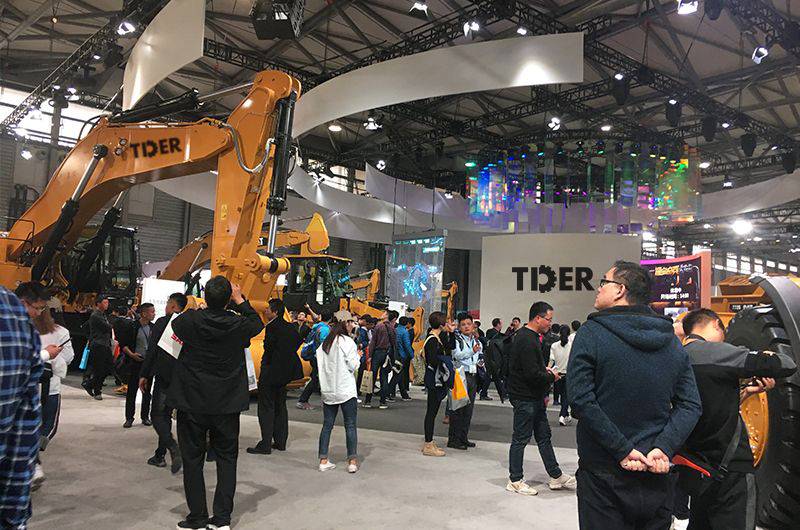
TDER participated in bauma CHINA 2026 at Booth E.69, engaging with industry professionals, equipment buyers and business partners from various countries and regions. Discussions covered forklifts, warehouse equipment and construction machinery, with a focus on equipment configurations, application requirements and market developments. Through its participation in this major international industry event, TDER gained further insight into global construction machinery market trends, presented its diverse product portfolio and strengthened communication with international markets.
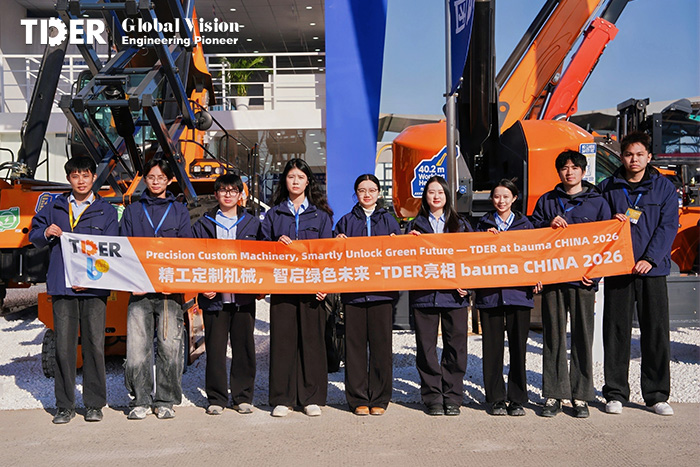
1. Bringing Global Industry Resources Together and Exploring Emerging Trends in Construction Machinery
As global demand for infrastructure development, logistics transportation and industrial production continues to evolve, the construction machinery industry is undergoing another phase of technological advancement and industrial transformation. Equipment manufacturers are increasingly required to focus not only on basic machine performance but also on operational efficiency, energy utilisation, operator safety and overall operating costs.
For the first time, bauma CHINA adopted a dual-venue exhibition format, expanding both its exhibition space and opportunities for industry engagement. Exhibits covered a broad range of sectors, including construction machinery, building material machinery, mining equipment, construction vehicles, core components and related technologies. The event provided a platform for manufacturers, suppliers, buyers and industry professionals from around the world to showcase products and exchange industry insights.
Electrification, intelligent technologies, digitalisation and low-carbon development have become key areas of focus across the construction machinery sector. As markets place greater emphasis on equipment efficiency, environmental requirements and operating costs, manufacturers are increasingly working to align technological developments with practical application needs.
For companies serving international markets, industry exhibitions are more than product showcases. They provide valuable opportunities to monitor industry developments, understand changing market requirements and establish business connections. Through its participation, TDER engaged directly with the international market and gained further insight into regional differences in equipment selection, configuration preferences and application scenarios.
2. A Diverse Product Portfolio for Different Industrial Applications
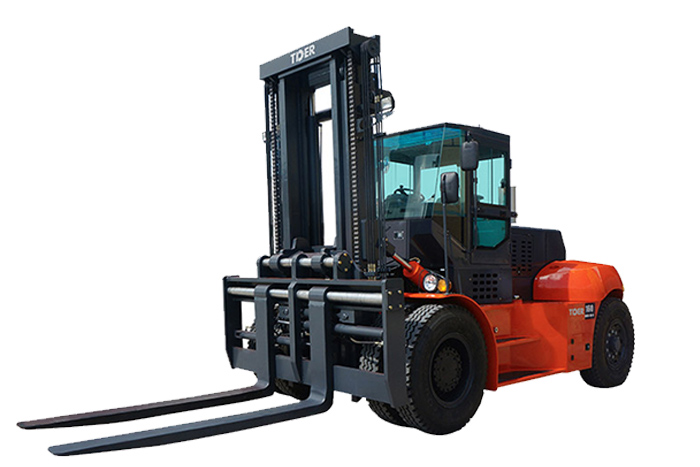
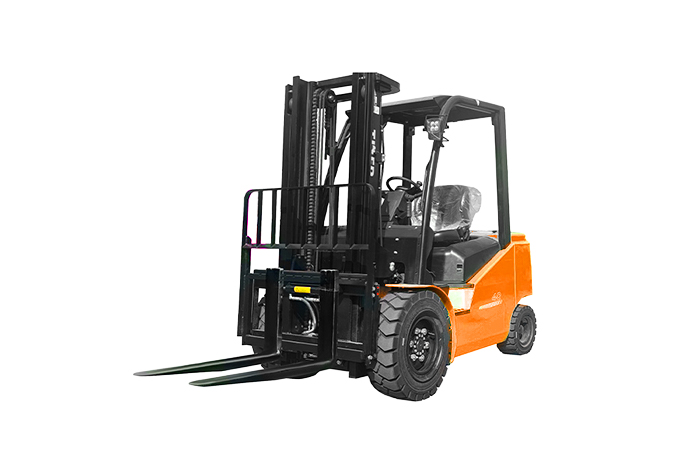
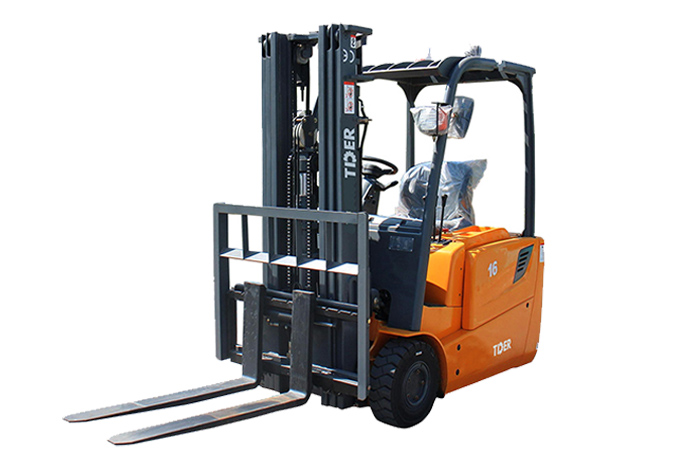
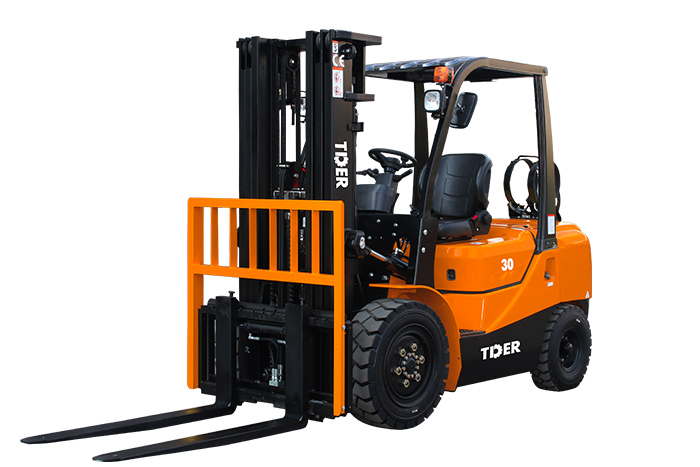
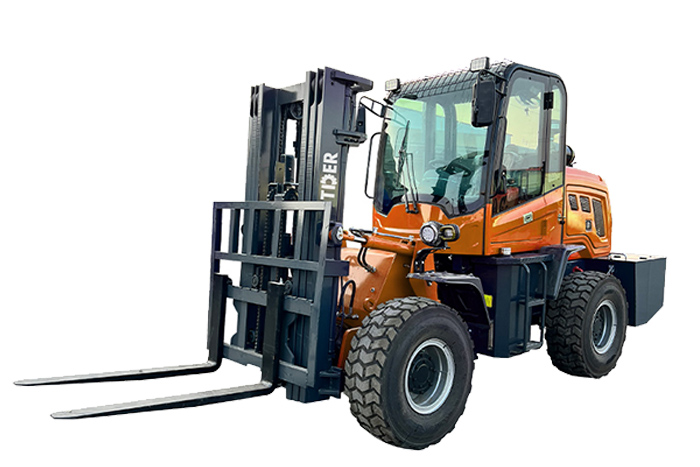
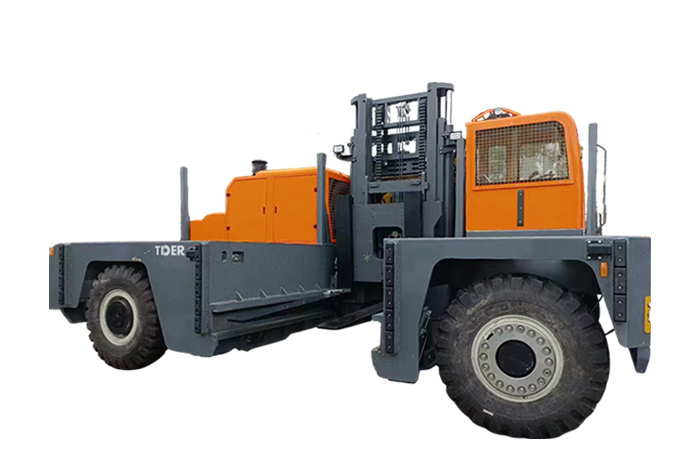
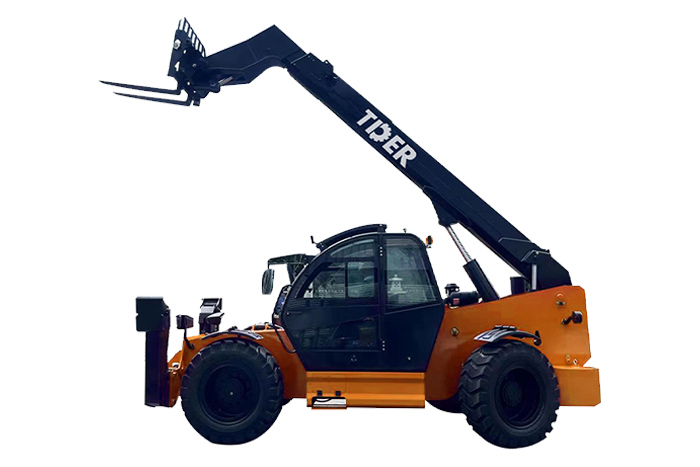
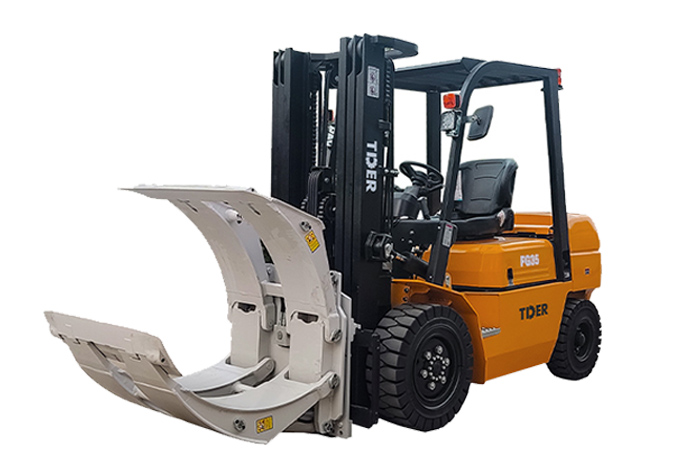
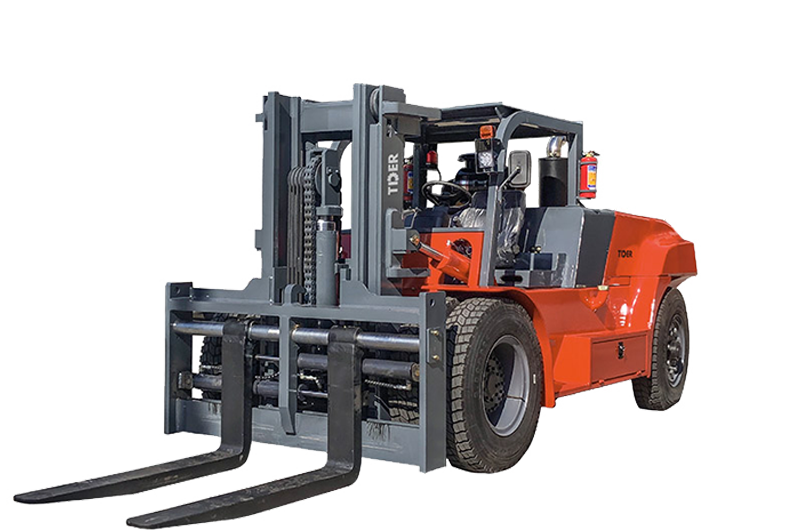
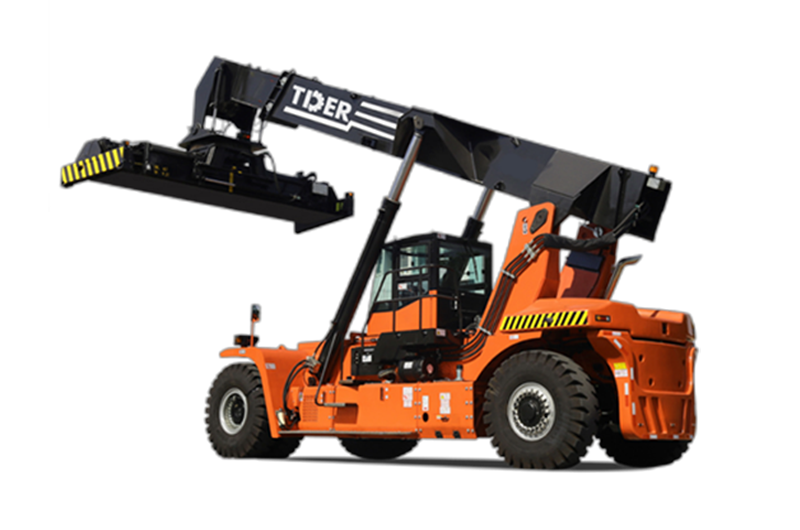
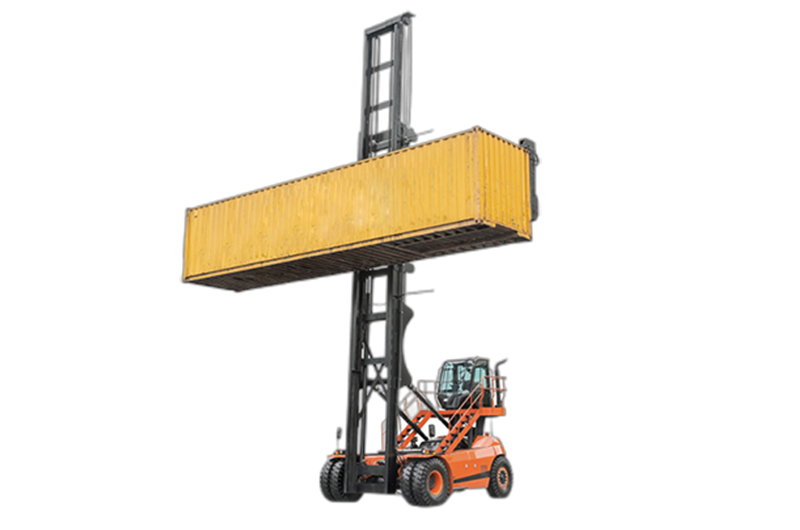
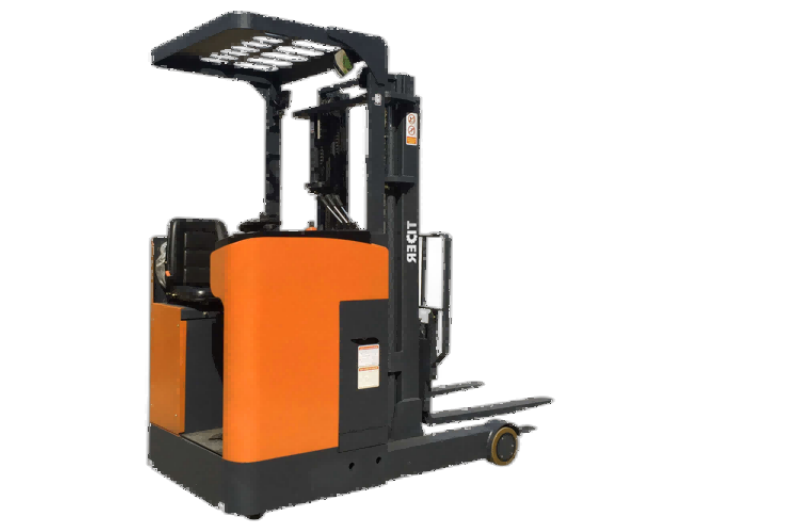
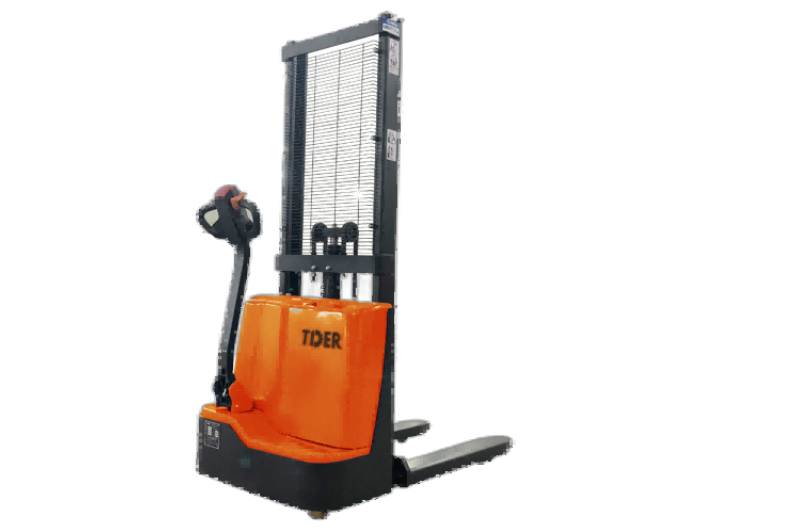
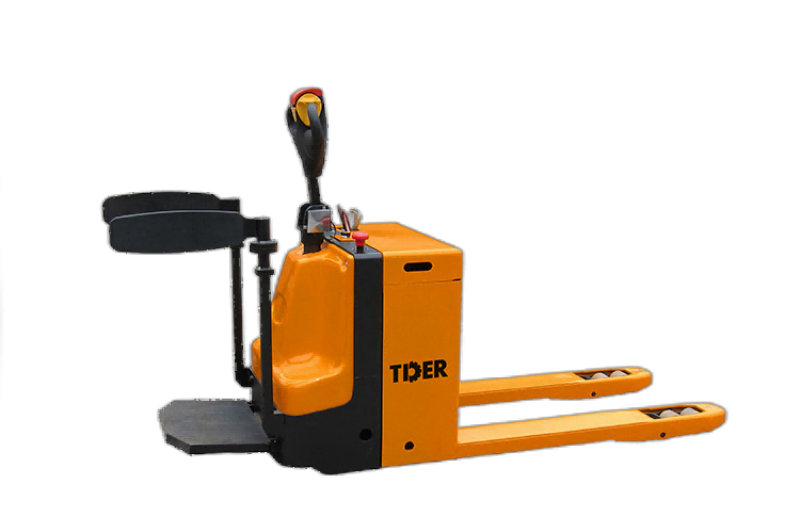
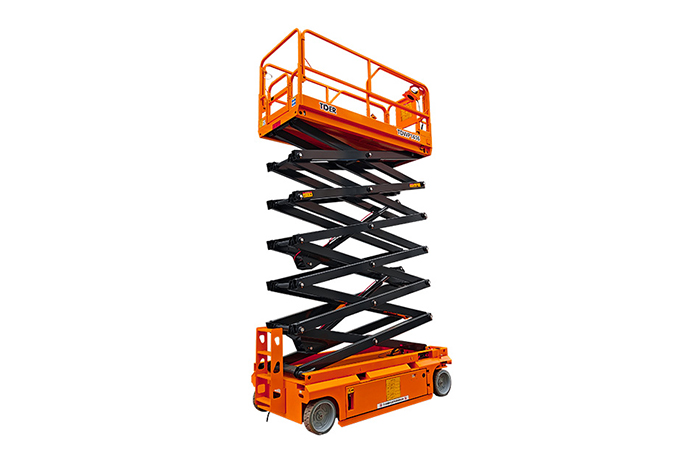
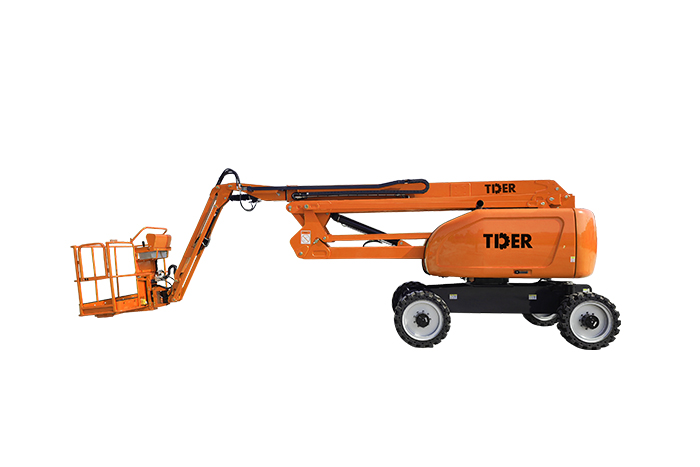
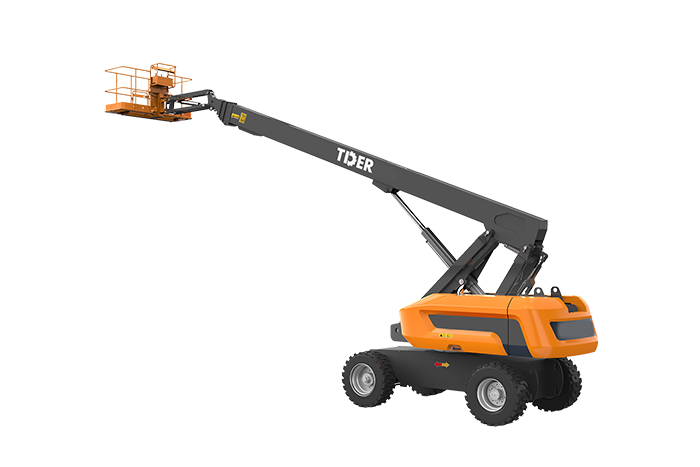
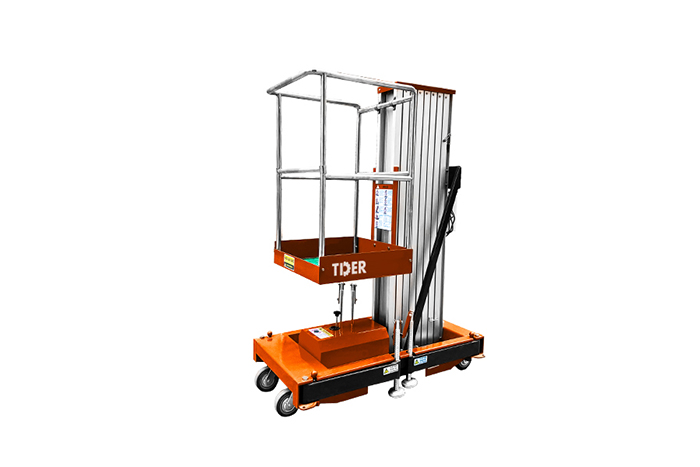
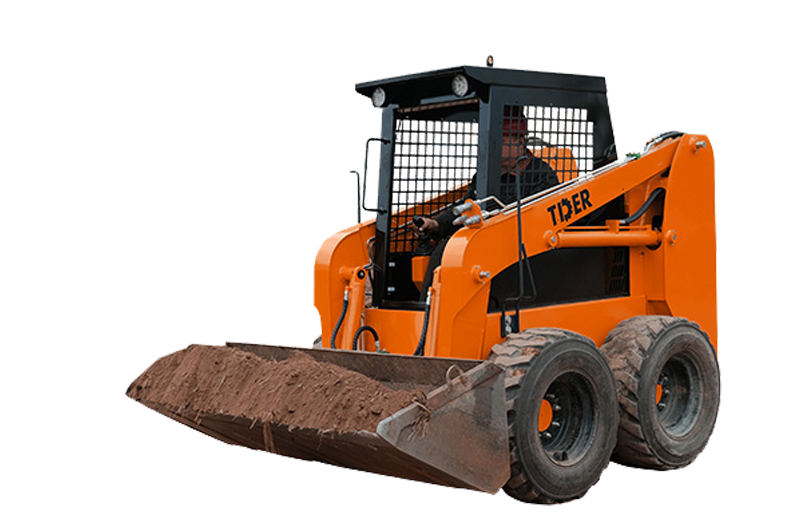
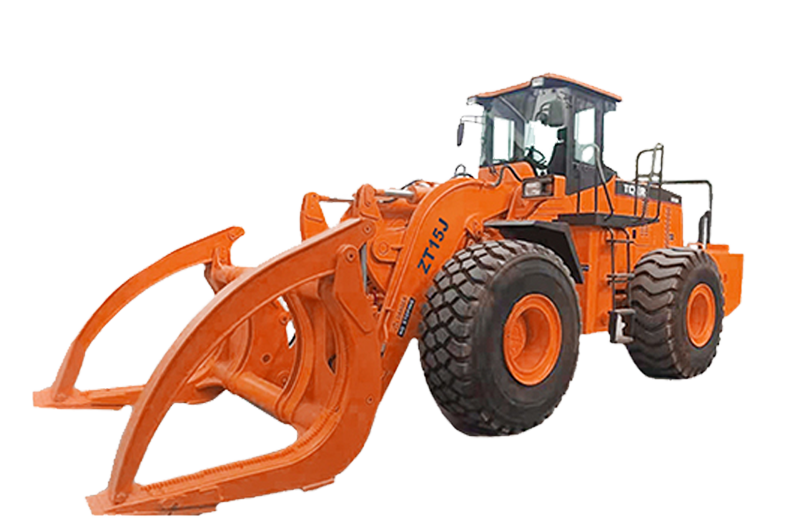
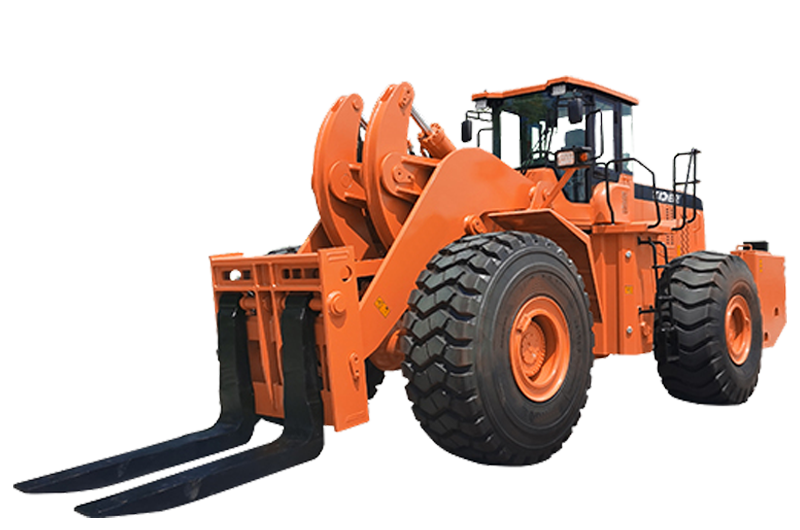
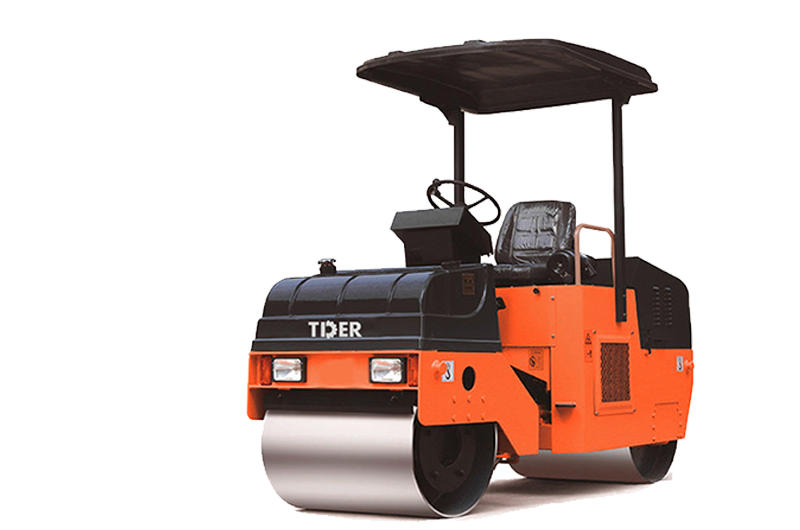
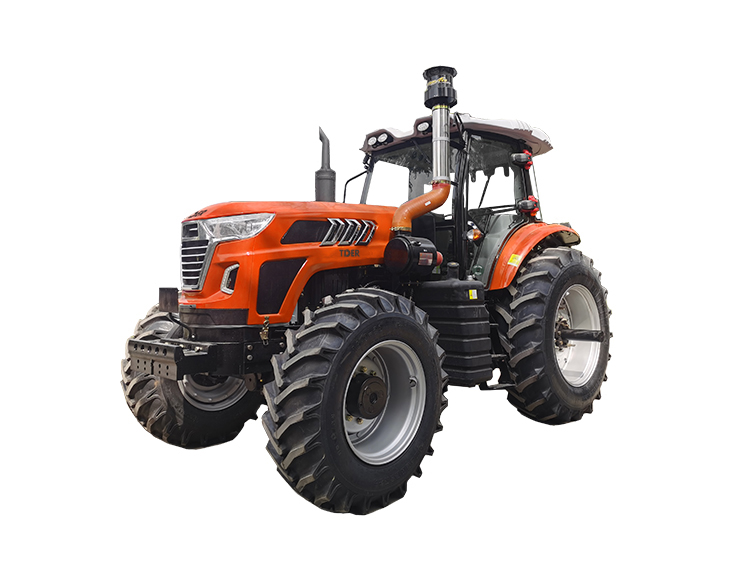
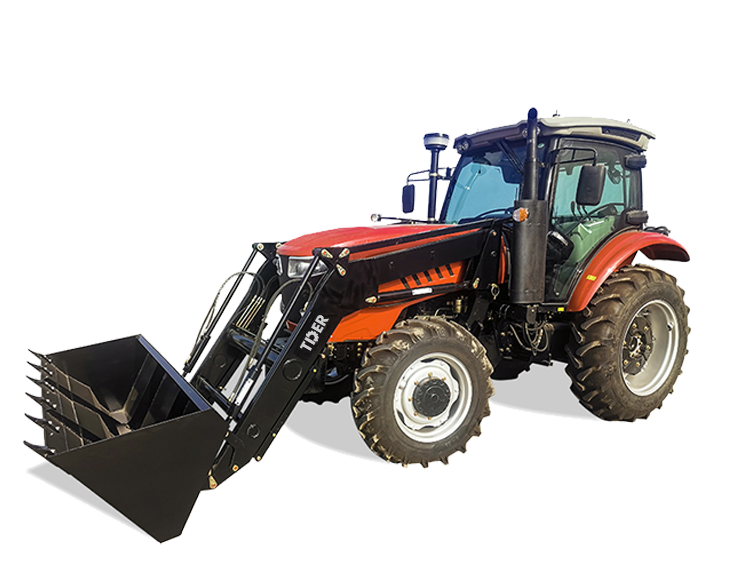
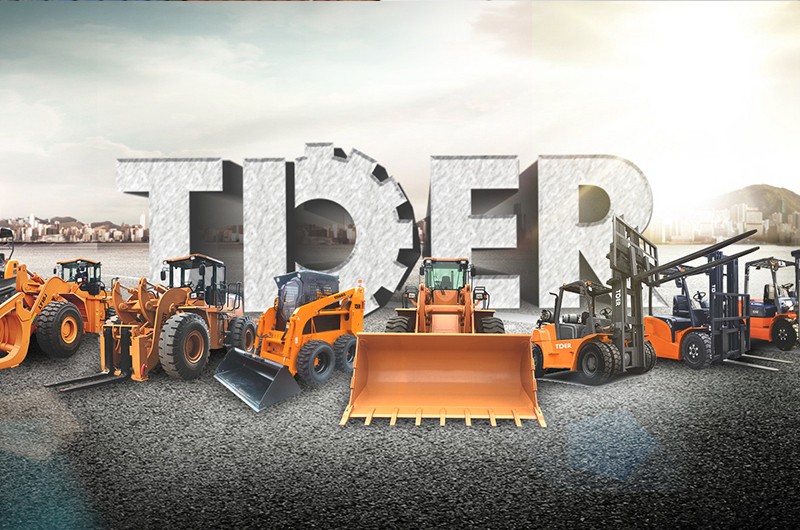
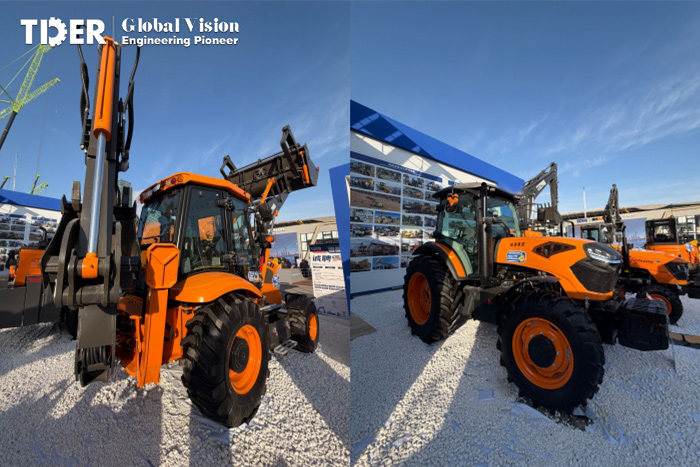
With a focus on material handling and construction applications, TDER continues to develop a diverse equipment portfolio. Its product range includes diesel forklifts, electric forklifts, warehouse equipment, excavators, wheel loaders, backhoe loaders, aerial work platforms and telehandlers, serving a variety of operational environments.
In logistics and warehousing, forklifts and warehouse equipment play an essential role in material handling, stacking, loading and unloading, and internal goods transportation. As warehouse space utilisation and operational efficiency become increasingly important, demand is becoming more specialised across different load capacities, lifting heights and power systems. Diesel forklifts serve a range of outdoor and industrial material handling applications, while electric forklifts offer an alternative for customers prioritising energy use and indoor operating conditions.
In construction, excavators, wheel loaders and backhoe loaders are widely used for earthmoving, material loading, site preparation and versatile construction tasks. Equipment requirements vary depending on project specifications, working conditions and operational demands. Selecting suitable machinery therefore requires careful consideration of the actual jobsite environment and intended application.
Aerial work platforms and telehandlers also play important roles in construction, equipment maintenance and material handling. Working height, platform capacity, drive type and safety features are among the key factors buyers consider when evaluating these machines.
Through its multi-category product portfolio, TDER serves equipment requirements across material handling, warehousing, logistics and construction. Participation in bauma CHINA also provided an opportunity to exchange product information with international customers from different application sectors and gain a better understanding of their requirements.
3. Understanding Customer Requirements and Strengthening Market Engagement
The international construction machinery market is characterised by significant regional differences. Countries and regions vary in infrastructure development, industrial activity, warehousing and logistics requirements, operating environments and procurement standards. These differences contribute to diverse equipment selection preferences among international buyers.
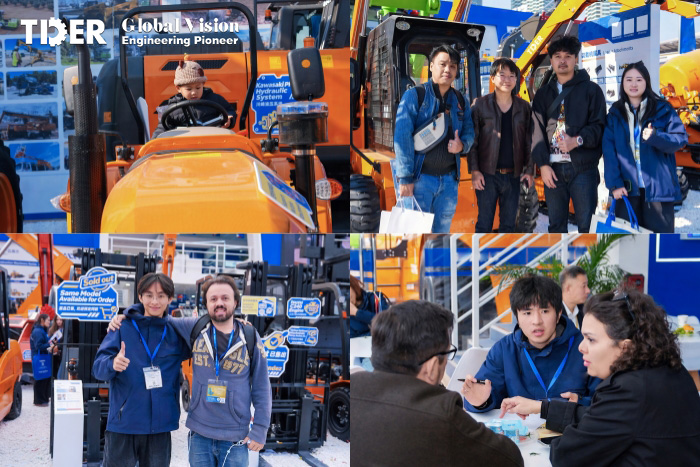
During the exhibition, the TDER team engaged with visitors on equipment performance, powertrain configurations, application scenarios and purchasing requirements. Buyers generally need to assess equipment models and configurations in relation to their business operations, actual working conditions and procurement budgets.
For forklifts and warehouse equipment, load capacity, lifting height, power source and suitability for specific working environments are important selection criteria. For construction machinery, engine configuration, operating capabilities and actual jobsite requirements are among the main considerations. Buyers of aerial work platforms and telehandlers also need to evaluate working height, operating range and safety requirements.
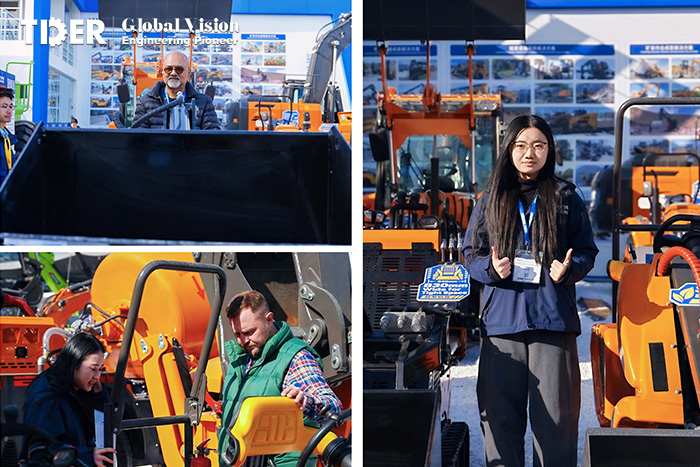
In response to different market needs, the TDER team introduced relevant equipment based on product characteristics and discussed configuration options and practical applications with visitors. These face-to-face interactions allowed customers to gain a clearer understanding of the equipment while providing TDER with direct feedback from the market.
In international equipment procurement, the product itself is only the starting point of a potential business relationship. Whether a configuration meets actual operating requirements, whether a purchasing proposal fits the buyer's budget, and whether subsequent communication and service are responsive can all influence purchasing decisions. TDER therefore values the business connections established during the exhibition and aims to deepen its understanding of customer requirements through continued communication, supporting future product recommendations and commercial discussions.
4. Leveraging International Exhibitions to Expand Global Business Connections
As a major international event for the construction machinery industry, bauma CHINA brought together industry resources from markets around the world. It provided companies with an important opportunity to understand global industry developments and explore international business opportunities.
For TDER, participation in this year's exhibition was not only an opportunity to present its brand and product portfolio, but also a valuable process of understanding international customer requirements and strengthening market engagement. Through discussions with visitors from different regions, the company gained further insight into how various types of equipment are used across different markets, as well as buyers' specific expectations regarding performance, configuration options and procurement conditions.
Meanwhile, the continued internationalisation of the construction machinery industry is placing greater demands on manufacturers' product portfolios and market services. Differences in operating environments, procurement standards and market preferences require companies to maintain flexibility in product presentations, configuration discussions and business support to better address diverse customer needs.
TDER will continue to monitor developments in the global construction machinery and material handling equipment markets, focusing on forklifts, warehouse equipment and construction machinery. The company will further develop its product portfolio and strengthen its understanding of international market requirements through industry exhibitions, customer engagement and market exchanges.
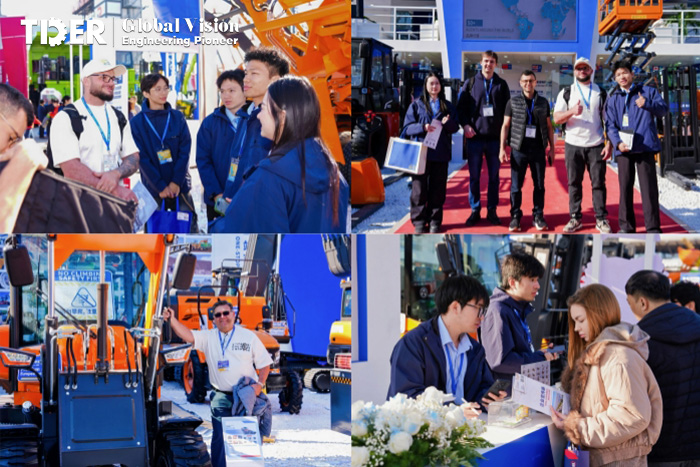
Bauma CHINA 2026 concluded on November 27. The connections and discussions established during the exhibition provide a foundation for continued market engagement and future business opportunities. Looking ahead, TDER will remain focused on international markets and customer requirements, strengthening communication with global buyers and business partners while actively exploring further opportunities for international cooperation.
 2003- Xiamen TDER Industrial Co., Ltd. All Rights Reserved.