Service Hotline:86-17346269651 /

In the global engineering landscape, seasonal transitions are a "watershed" for machinery reliability. Challenges such as difficult cold starts, sluggish hydraulic response, and seal leakage directly impact uptime. Whether it’s the snowmelt in the north or the wet-dry cycle in the tropics, temperature and humidity fluctuations can trigger issues like fuel waxing or condensation buildup.
As a professional manufacturer with 23 years of export experience in Construction Machinery, we understand that downtime means loss. To help global partners maintain productivity in complex climates, we have developed this practical seasonal maintenance guide for wheel loader, targeting key wear points of critical components.
I. Core Maintenance: Targeting Component Wear
1. Fuel System: Guarding Against Waxing and Injector Damage
• Viscosity & Fuel Grade: Sudden temperature drops can cause paraffin to precipitate (waxing), clogging filters. Ensure you switch to the appropriate fuel grade for your local climate.
• Fuel-Water Separator: Condensation often forms inside fuel tanks during seasonal shifts. If not drained, moisture can damage the high-pressure common rail system and fuel injectors, leading to power loss or engine failure.
2. Hydraulics & Seals: Countering O-Ring Cracking
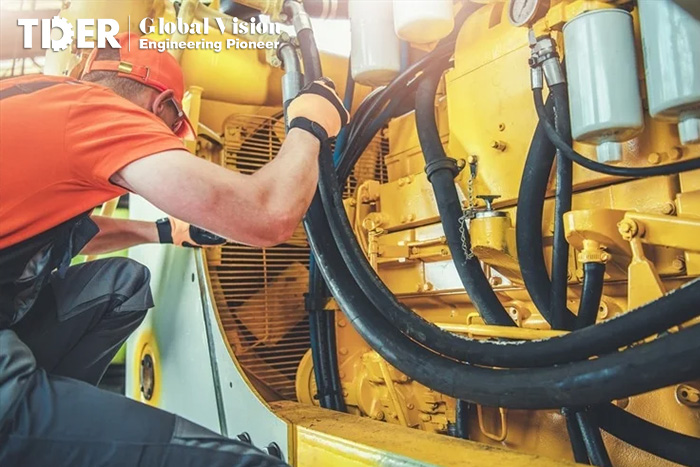
• Seal Inspection: Temperature swings cause O-Rings and rubber seals to become brittle. Focus on inspecting the multi-way valve interfaces, steering cylinders, and distribution valves to prevent pressure loss from fluid leaks.
• Fluid Viscosity: Ensure hydraulic oil viscosity remains optimal for the current season to maintain stable pump pressure.
3. Pneumatic & Braking: Eliminating Safety Risks
• Air Tank Drainage: High humidity during transitions leads to moisture buildup in air tanks. If water enters the brake master cylinder, it can cause rust or air-line freezing, compromising braking safety.
• Dryer Cartridge: Regularly check the air dryer cartridge to ensure the braking circuit remains bone-dry and responsive.
4. Power Core: Reducing Cold Start Wear
• Scientific Warm-up: Always allow the engine to idle for 5–10 minutes after a cold start. Wait for oil pressure to stabilize and hydraulic temperature to rise before applying load to prevent cylinder scoring.
• Grease Lubrication: Increase the frequency of greasing for boom pins and steering joints during wet or dusty seasonal changes to flush out contaminants.
II. Design-Driven Solutions: How TDER Simplifies Maintenance
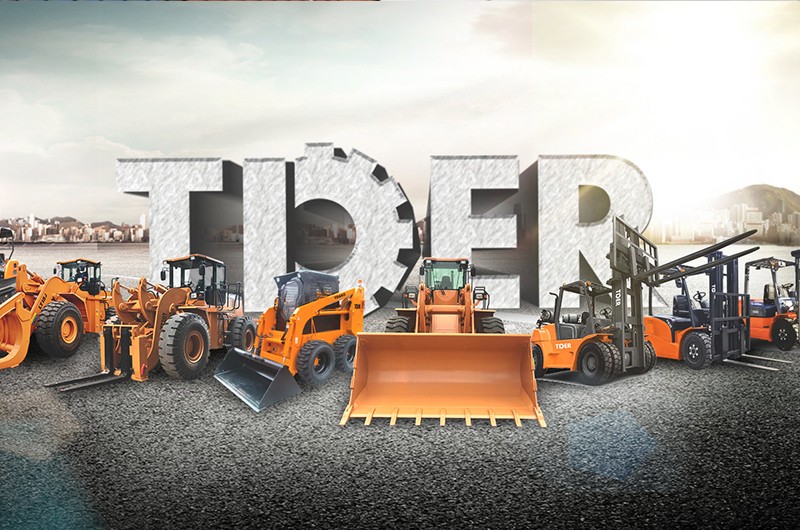
Exceptional design should mitigate environmental stress at the source. TDER leverages 23 years of expertise to minimize maintenance complexity through high-spec configurations:
1. Full-Spectrum Load Capacity (0.6t - 10t):
From compact wheel loaders to heavy-duty mining models, TDER ensures precise power-to-load matching to prevent premature component aging.
2. Customizable Powertrains:
We offer high-value engines from Weichai and Yuchai for standard reliability, alongside premium options from Cummins and Yanmar that meet EPA Tier 4 and EU Stage V emissions standards.
3. Heavy-Duty Drivetrain:
Options include Isuzu or ZF axles combined with hydraulic pilot controls for precise operation even in muddy or slippery seasonal conditions.
4. Extreme Condition Package:
Available engine preheaters and high-efficiency HVAC systems solve cold-start challenges and ensure operator comfort year-round.
5. Multi-Functional Versatility:
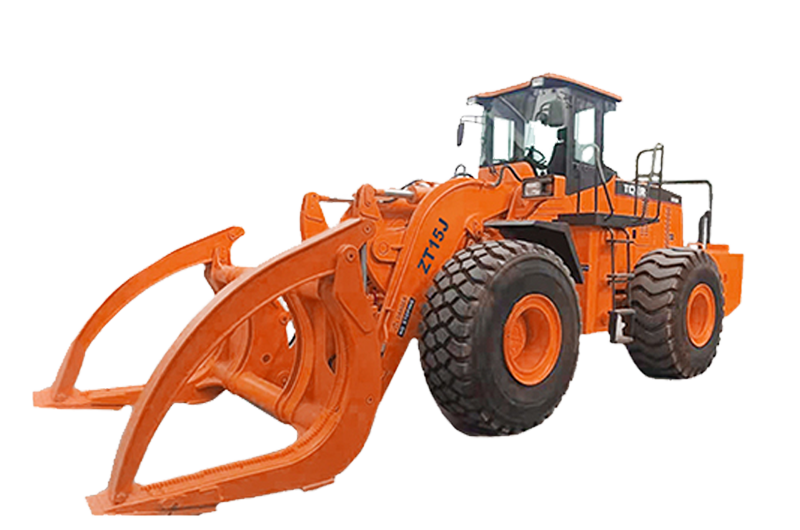
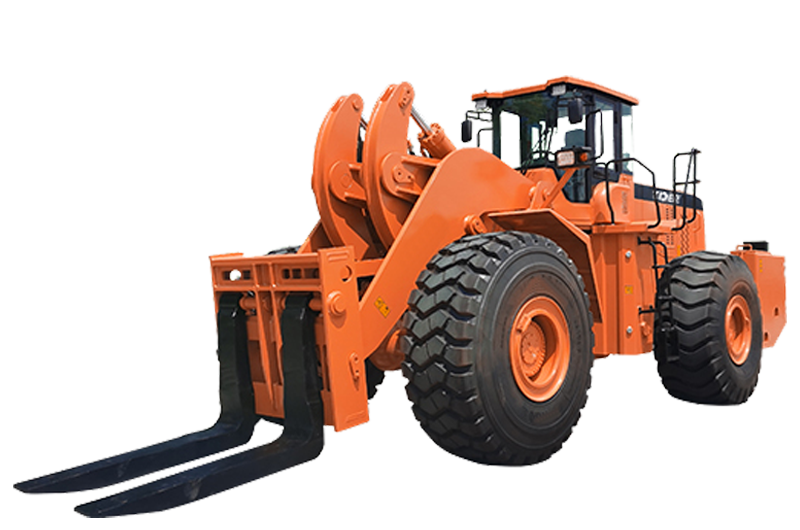
Equipped with a hydraulic quick hitch, TDER loaders easily switch between forks, log grapples, sweepers, and snow blades to adapt to any seasonal task.
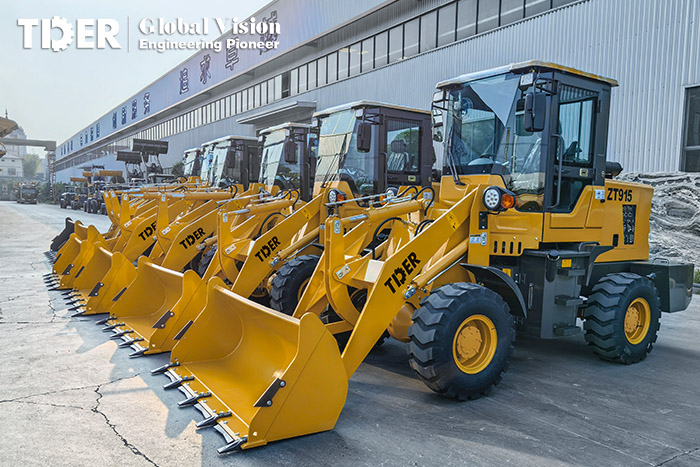
III. Conclusion
Embodying the philosophy of "Global Vision, Engineering Pioneer," TDER is committed to providing one-stop solutions for our partners. We believe that premium hardware combined with preventive maintenance is the key to unlocking machine potential. Together, we ensure that every TDER machine delivers stable, long-term value across all climates.
 2003- Xiamen TDER Industrial Co., Ltd. All Rights Reserved.