Service Hotline:86-17346269651 /

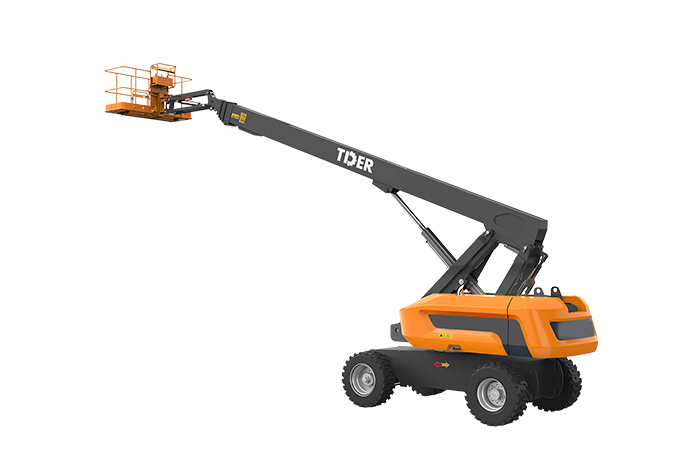
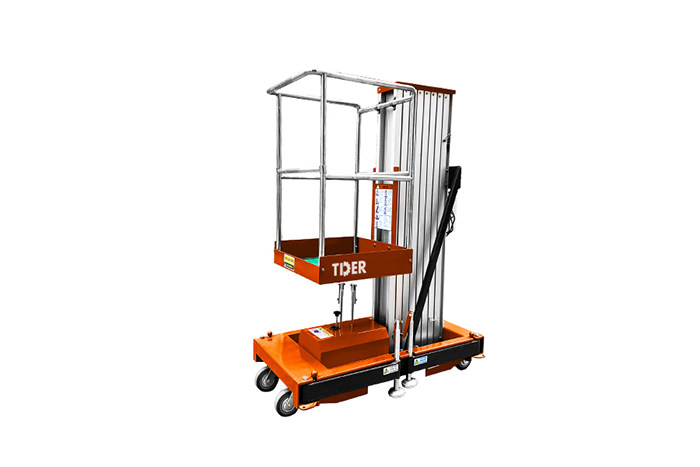
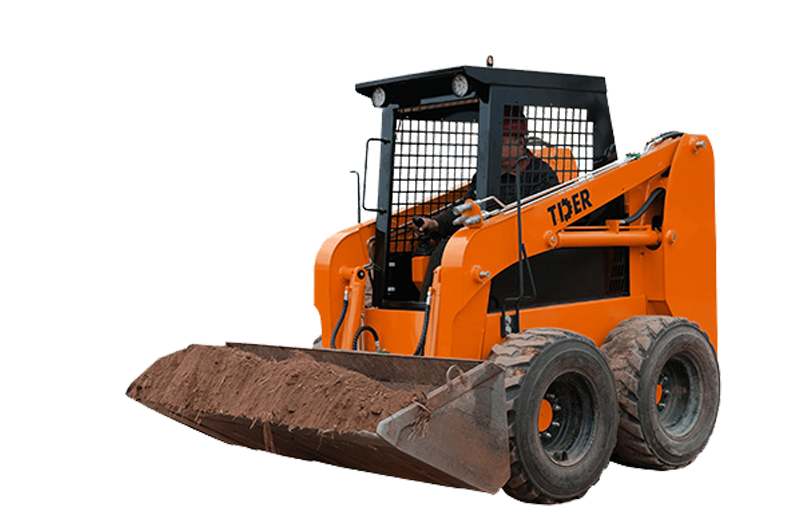
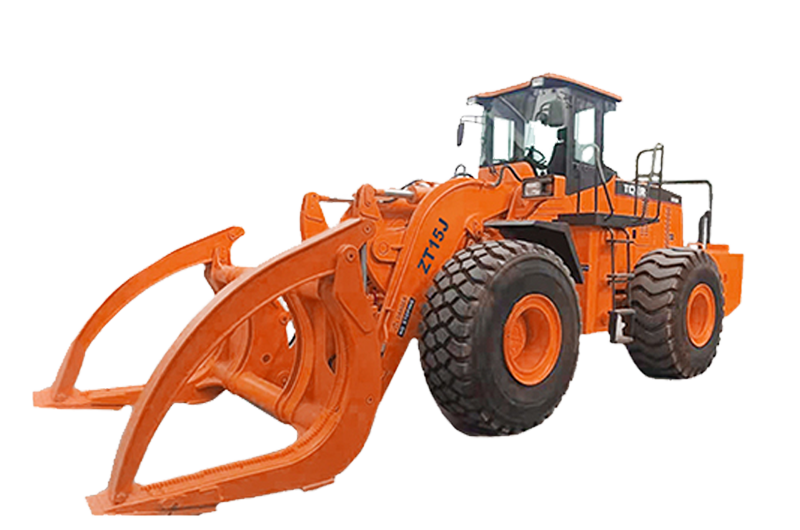
Whether you are a building contractor, a machinery dealer, or an equipment rental business operator, purchasing forklifts, loaders, excavators, or aerial work platforms with higher cost-performance ratios from China is becoming a choice for more and more enterprises as global infrastructure and mining industries continue to develop. However, for buyers trying cross-border procurement for the first time, the entire process—from selecting suppliers and determining trade terms to customs clearance, tax payments, and equipment delivery acceptance—can seem complex and unfamiliar. As a professional construction machinery manufacturer and exporter, TDER has summarized the following comprehensive practical guide for importing construction machinery.
I. Before Importing: Choosing the Right Equipment and Certification is the First Step
Before contacting suppliers, clarify the type of equipment you need and the usage scenarios, as this will directly determine the subsequent certification requirements and customs clearance difficulty. Common construction machinery can be roughly divided into several categories:
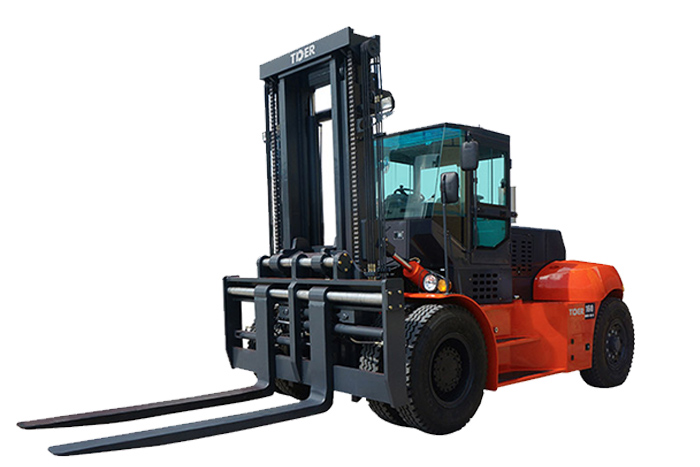
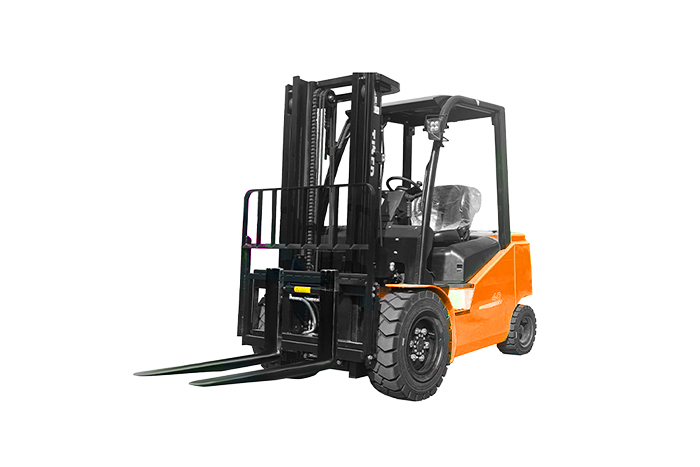
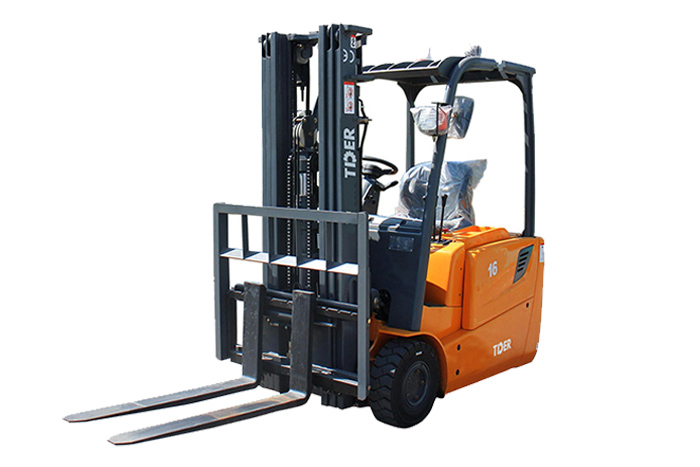
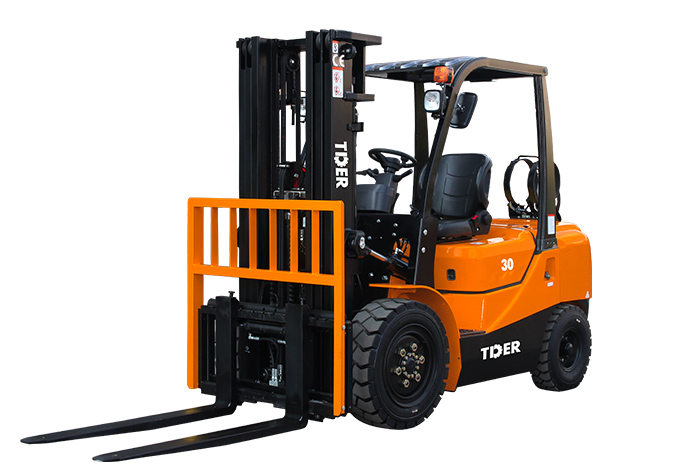
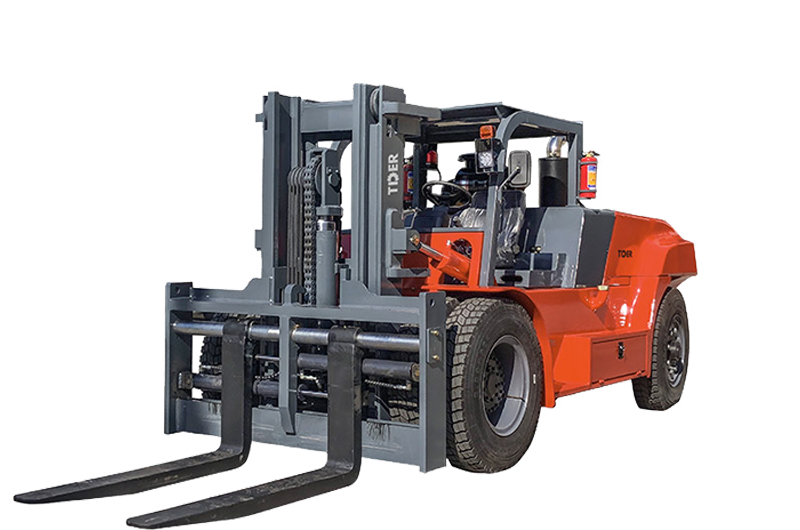
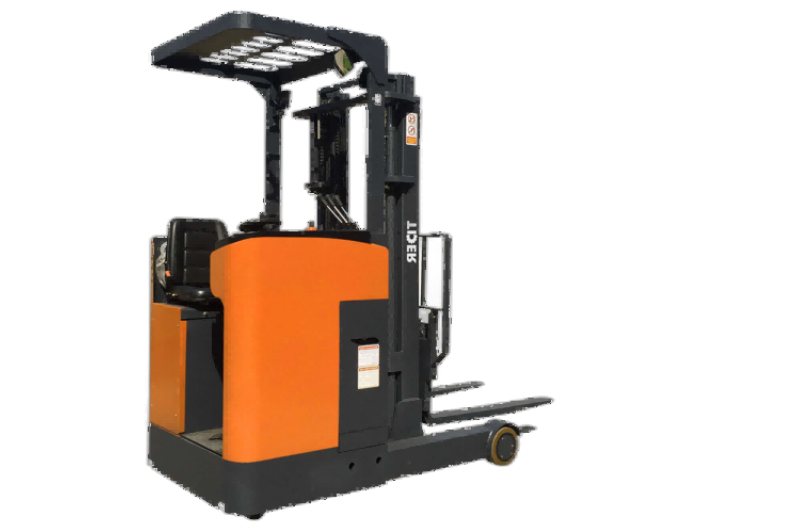
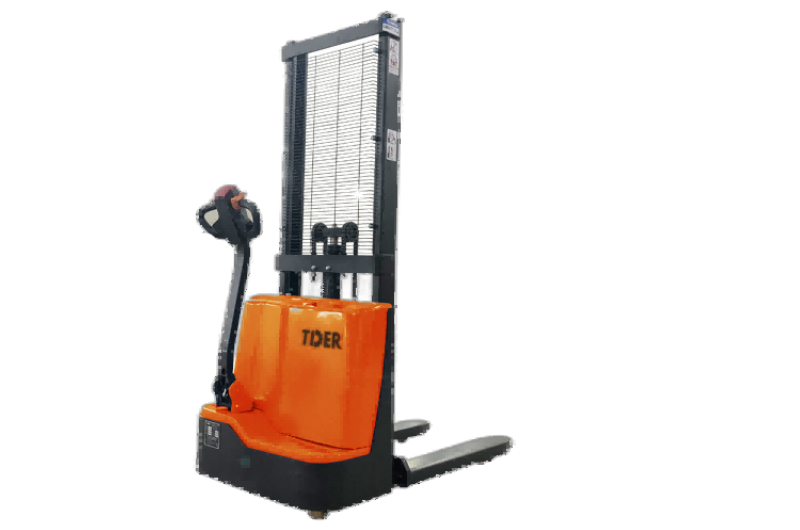
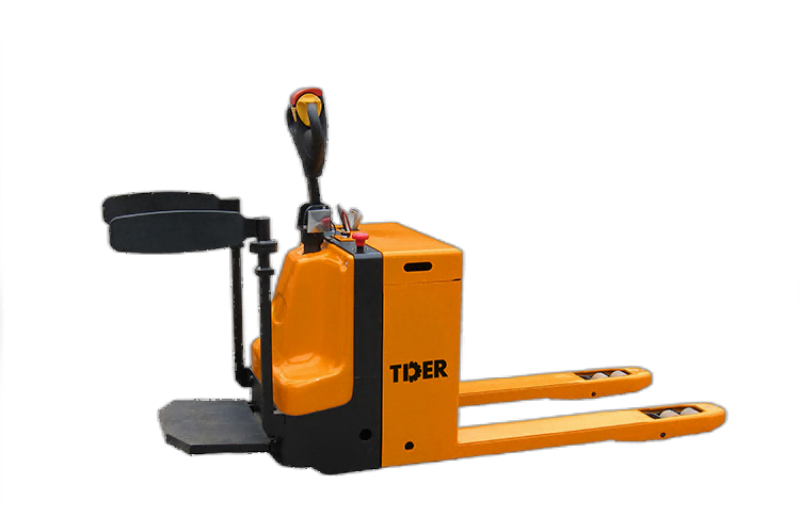
• Forklift Truck (Electric/Internal Combustion): Focus on rated capacity, lifting height, and power type;
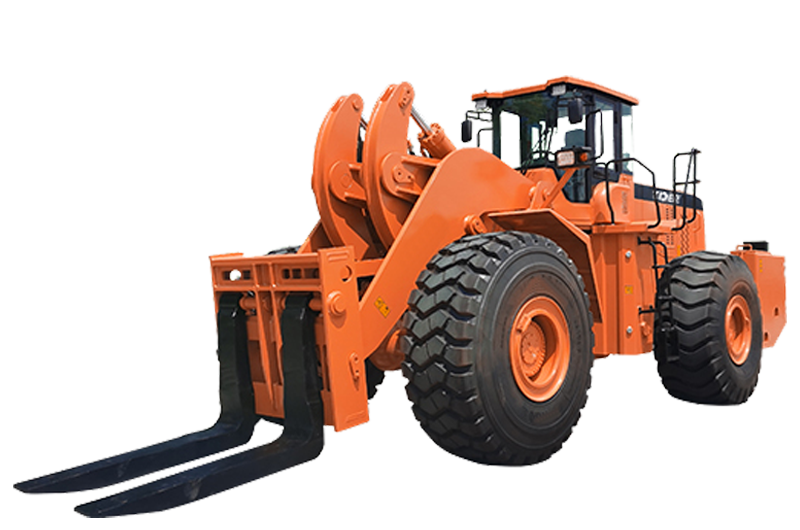
• Loader and Excavator: Focus on bucket capacity, engine power, and operating weight;
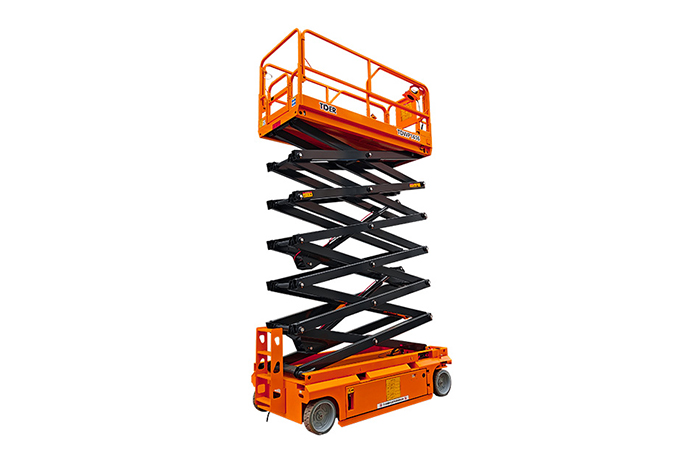
• Scissor Aerial Work Platforms: Focus on maximum working height, load capacity, and power source.
Emission standards are a core concern. In recent years, regulations in many countries have imposed stricter emission requirements on newly imported diesel heavy vehicles, trending toward Euro VI or equivalent standards. Whether it is a forklift, loader, or excavator, as long as it is diesel-powered, choosing a model with a higher emission certification level can significantly reduce the risk of being asked for supplementary materials or even being rejected during customs clearance. Electric equipment (such as electric forklifts and some scissor platforms) does not involve exhaust emissions, but requires battery MSDS and UN38.3 lithium battery transport safety certification. Below are the HS codes and emission requirements for common construction machinery:
Equipment Name | Universal HS Code | Power Type | Core Emission / Environmental Regulatory Requirements |
Electric Forklift | 8427.10 | Battery / Lithium | No exhaust emissions. Battery MSDS and UN38.3 transport safety certification required. |
Internal Combustion Forklift | 8427.20 | Diesel / LPG / Gasoline | Subject to non-road mobile machinery emission standards (e.g., EU Stage V, US EPA Tier 4F, China National IV). |
Wheel Loader | 8429.51 | Diesel | Subject to non-road mobile machinery emission standards. Need to verify power (kW) and emission stage on engine nameplate. |
Crawler/Wheel Excavator | 8429.52 (360° rotation) | Diesel | Subject to non-road mobile machinery emission standards. High-emission countries require DPF (Diesel Particulate Filter) or SCR. |
Scissor Lift Platform | 8428.90 or 8427.10 | Electric / Few Diesel | Electric models require battery compliance check; diesel models must meet non-road emission requirements. Pay attention to safety directives such as CE/ANSI. |
Concrete Mixer Truck | 8705.40 | Diesel (Complete Vehicle) | Classed as a road vehicle. Extremely strict emission requirements, must comply with the destination's latest road vehicle emission standards. |
It is recommended to conduct a "Customs Pre-audit" before placing an order: send the technical parameters of the equipment and the engine nameplate information to the customs broker you plan to work with to confirm whether the engine model can smoothly clear customs locally before paying the deposit—this step can help you avoid most of the later compliance disputes.
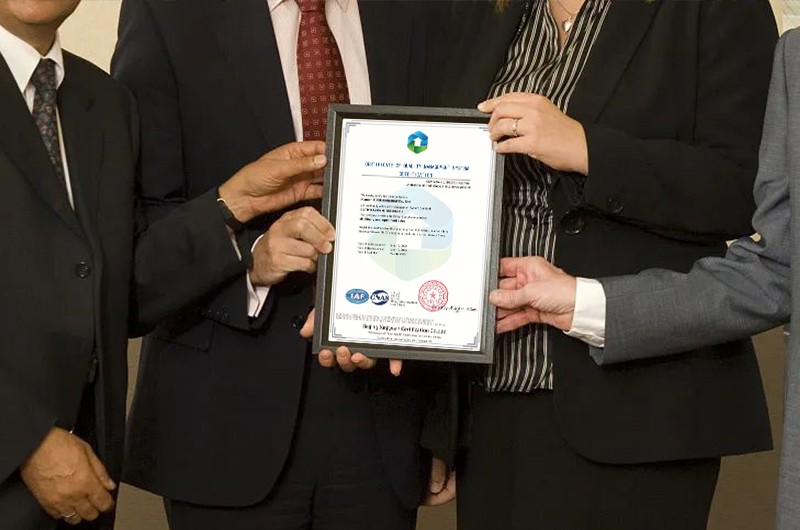
Supplier Reference Practice: Taking TDER as an example, we can provide customers with models that comply with safety standards such as CE marking (Machinery Directive 2006/42/EC) and EU EN474/EN1175/EN280. Engines can be optionally fitted with versions meeting Euro V, US EPA, and other standards, and complete export qualification documents such as Certificates of Origin can be provided, making it convenient for buyers to complete compliance confirmation during the ordering stage.
II. How to Choose Trade Terms (Incoterms)
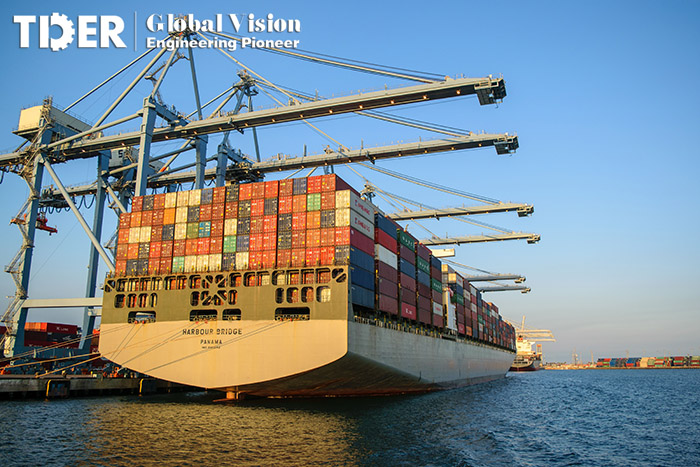
Incoterms® 2020 specifies the division of responsibilities between buyers and sellers in transportation, insurance, customs clearance, and other links. The four common terms each have different focuses:
Term | Seller Responsibility | Buyer Responsibility | Suitable For |
EXW (Ex Works) | Delivery at factory only | Bears all transport, insurance, and customs clearance | Buyers with rich logistics experience |
FOB (Free On Board) | Responsible for transport to port of shipment and export declaration | Responsible for sea freight, insurance, and import customs clearance | Buyers with some import experience wishing to control costs |
CIF (Cost, Insurance & Freight) | Responsible for freight and minimum insurance to port of destination | Responsible for import customs clearance and unloading | First-time buyers wishing for a more worry-free process |
DAP (Delivered at Place) | Responsible for delivery to designated place (excluding duties) | Responsible only for import clearance, tax payment, and unloading | Beginners or small-batch importers |
Advice for Beginners: If you are importing for the first time or are not yet familiar with the customs clearance process, CIF or DAP can significantly reduce the links you need to coordinate. Once you have accumulated a certain amount of experience and established a relationship with a reliable freight forwarder, then consider FOB to further reduce costs. EXW is generally not recommended for beginners unless you already have a mature overseas logistics team.
III. How to Find and Screen Freight Forwarders and Customs Brokers
Import logistics involves two key roles: the Freight Forwarder is responsible for transporting the goods from the port of loading to the destination; the Customs Broker is responsible for declaring to local customs and paying taxes.
1. Finding Channels
• International Freight Forwarder Directories: Search WCA (World Cargo Alliance) or FIATA official directories to find qualified member companies in the target country.
• Peer and Association Recommendations: Ask local machinery industry associations or fellow importers for quotes and recommendations; recommended agents are usually verified by actual business.
• Search Engines and Professional Platforms: Search for professional brokers at target ports, specifically looking for brokers with experience in heavy construction machinery transportation.
2. Screening and Evaluation Points (Pitfall Avoidance Guide)
• Special Container/Out-of-Gauge Cargo Experience: Whether they have operating experience with Flat Racks, Open Tops, or Ro-Ro (Roll-on/Roll-off) vessels.
• Familiarity with Local Emission Regulations: Ability to review engine models and nameplates for you before ordering to confirm environmental protection agency entry conditions.
• Cost Transparency: Request a complete list of DTHC (Destination Terminal Handling Charges), demurrage/detention fee standards, and customs service fee lists to avoid hidden fee traps.
IV. Payment Methods: How to Advance Production While Ensuring Capital Safety
Common payment methods in international trade include Letters of Credit (L/C), Telegraphic Transfer advance payments (T/T), Collections (D/P, D/A), etc., each with its pros and cons: L/C is guaranteed by banks and has lower risk, but the procedures are complex and fees are higher; T/T is flexible and fast, but requires the buyer to place greater trust in the supplier's fulfillment capability.
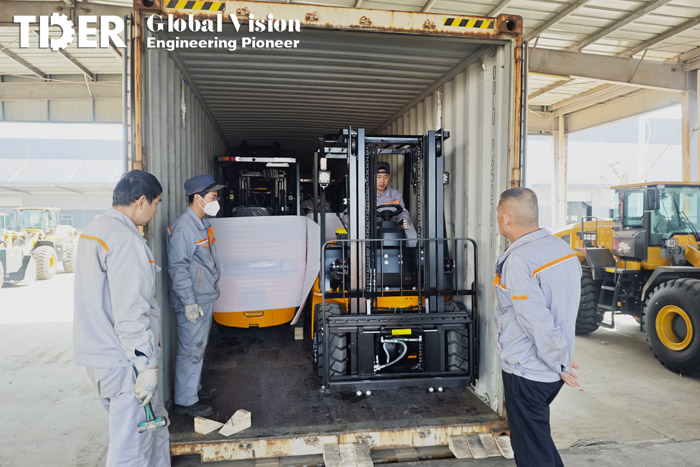
An industry-wide practice that balances risks for both parties is "Installment Payment + Production Visualization." For example: TDER usually requires customers to pay a 30% deposit after placing an order to start production, and the remaining 70% balance is settled before shipment. Before shipment, TDER provides customers with photos and videos of the finished equipment, allowing buyers to confirm the status of the equipment before paying the final balance and reducing concerns caused by information asymmetry.
Regardless of which supplier you choose, it is recommended to clearly specify the payment percentage, milestones, inspection standards, and breach-of-contract liabilities in the contract, and state the specific version of Incoterms® 2020 applied to avoid subsequent ambiguity.
V. Production and Quality Inspection: Key Actions Before Leaving the Factory
The production cycle for most standard models is around 3-8 weeks, while customized models may take 2-3 months. To reduce the risk of quality disputes after arrival, it is recommended to:
1. Request Third-Party Inspection Before Leaving the Factory: Entrust international certification bodies such as SGS, Bureau Veritas (BV), or Intertek to conduct random inspections on equipment functions, appearance, and safety devices according to AQL standards. Inspection reports can serve as part of the warranty evidence.
2. Obtain Engine Nameplate Photos and Certificates of Conformity: Information on power, displacement, and emission stage on the nameplate serves as an important basis for customs and customs brokers to confirm HS codes and emission compliance.
3. Confirm CE Certificates and Certificates of Origin are Ready: These documents will directly affect customs clearance efficiency in subsequent declaration procedures.
VI. Documents Required for Import
Document Name | Function & Focus Points | Responsible Party / Issuer |
Commercial Invoice | Indicates transaction price, currency, trade terms (e.g., FOB/CIF); basis for customs to calculate duties and VAT. | Exporter / Supplier |
Packing List | Details number of packages, gross weight, net weight, volume, and serial number (VIN/Serial No.) of each machine. | Exporter / Supplier |
Bill of Lading (B/L) | Title document or transport contract; used by shipper to exchange for Delivery Order with forwarder. | Freight Forwarder / Shipping Line |
Sales Contract | Clarifies rights, obligations, and payment methods of both parties; reviewed by customs for price verification. | Signed jointly by Buyer and Seller |
Certificate of Origin | Proves manufacturing country; used to apply for tariff reductions under regional trade agreements. | Exporter (Applied via Customs/CCPIT) |
Engine Emission Certificate / Conformity | Proves engine emission level (e.g., EPA, CE, COC); essential check for environmental authorities. | Equipment Manufacturer / Engine OEM |
Nameplate Photos & Specs | Clearly displays serial number, production year, power, displacement; assists customs in determining HS codes. | Exporter / Supplier |
Battery Safety Certificate | For battery-operated equipment (electric forklifts, etc.), proves sea transport compliance and safety (MSDS & UN38.3). | Battery Manufacturer / 3rd-Party Testing |
Customs Declaration & Tax Receipt | Official records and tax payment vouchers generated upon declaring to local customs after arrival. | Destination Customs Broker |
VII. Special Customs Requirements by Country: Taking Colombia as an Example
This is the step where many first-time buyers are most likely to get stuck. Countries have different specific customs clearance requirements, and these requirements change over time. For example, Colombia has recently tightened the time limits for import processes, which requires special attention:
• Pre-declaration 48 Hours in Advance: Since the implementation of the new policy, 48 hours before the goods arrive in Colombia, the importer must submit a "Pre-declaration Form" through the DIAN electronic system.
• Formal Declaration Completed Within Limited Time After Arrival: After formal entry, clearance is generally completed within 2-5 working days; sea freight goods must complete declaration within 5 days, otherwise they may be deemed abandoned, so preparing a complete set of documents in advance is crucial.
• Main Document List: Commercial invoice, packing list, bill of lading/air waybill, certificate of origin, sales contract, insurance policy (if under CIF/DAP terms), engine emission certificate, etc.
• Taxes and Fees: MFN tariff rates for capital goods like construction machinery are generally between 0-5%, plus a 19% import VAT, usually calculated based on the CIF price.
• Special Permit Requirements: According to Decree 723 of Colombia, heavy mining equipment classified under subheadings 8429 (excavating machinery), 8431 (mining machinery), etc., requires prior application for an import permit from mining regulatory authorities and registration in the RUNT system; ordinary construction excavators and loaders are usually exempt from this restriction, but it is recommended to confirm specific HS code classification with a customs broker before placing an order.
Operation Checklist and Schedule Template
Stage | Estimated Time | Main Tasks |
Inquiry & Contract | 1–2 weeks | Select supplier, compare quotes, sign contract, determine Incoterms and payment terms |
Payment & Production | 2–4 months | Buyer pays deposit or opens L/C, supplier manufactures, arranges pre-inspection |
Inspection & Shipment | 1–2 weeks | Factory inspection (if any), book space, handle export customs clearance, prepare spare parts |
Sea / Air Freight | 3–6 weeks (Sea) / 1 week (Air) | Shipping schedule + port arrival; air freight is faster but costlier; prepare import documents during transit |
Customs Clearance | 2–5 days | Pre-declaration 48h in advance, submit import documents, pay taxes, collect goods |
Inland Transport & Acceptance | 1–3 days | Transport from port to site, installation and commissioning, final acceptance |
After-Sales Service | Within warranty period | Supply of spare parts, technical support, regular maintenance |
Conclusion
Importing construction machinery from China involves multiple links such as equipment selection, certification verification, trade terms, and logistics customs clearance. However, as long as you do your homework in advance and choose reliable partners, the entire process is completely controllable. As an international enterprise deeply engaged in construction machinery manufacturing and export, TDER provides global customers with one-stop support from selection consultation and compliance certification to shipment and delivery. Customers with import needs are welcome to communicate with our team for more specific model recommendations and quotes.
 2003- Xiamen TDER Industrial Co., Ltd. All Rights Reserved.