Service Hotline:86-17346269651 /

As global logistics, warehousing, manufacturing and construction industries continue to grow, forklift truck remains essential material handling equipment for daily operations. For many companies, the key question when purchasing a forklift is not only which model has stronger performance, but also which option can reduce long-term operating costs.
Today, more buyers are comparing forklift electric solutions, lithium forklift models, battery forklift options and traditional diesel forklifts. With fuel price volatility, stricter environmental requirements and rising labor and maintenance costs, choosing the right forklift has become an important business decision.
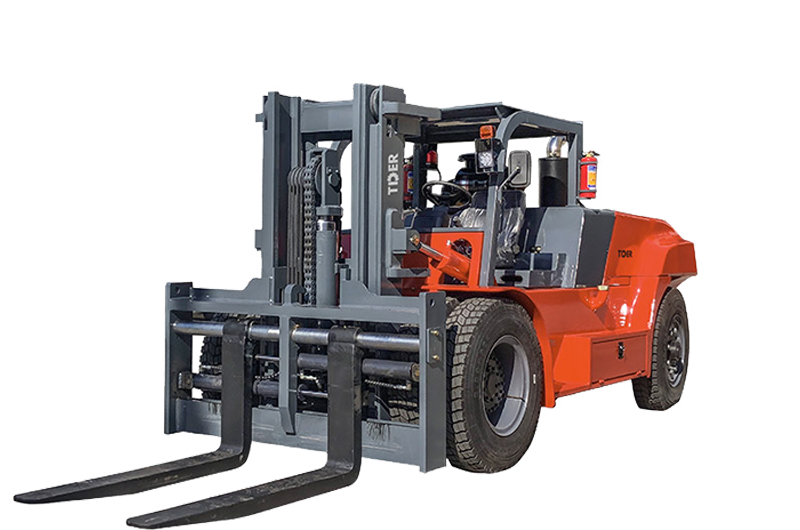
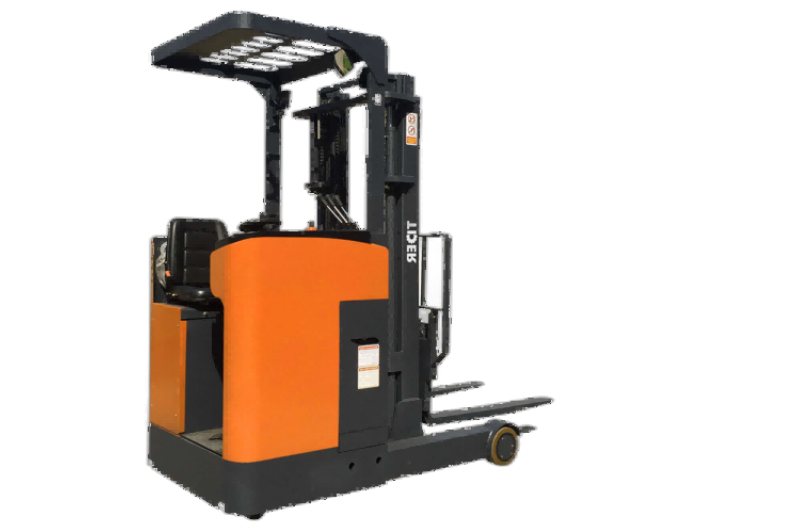
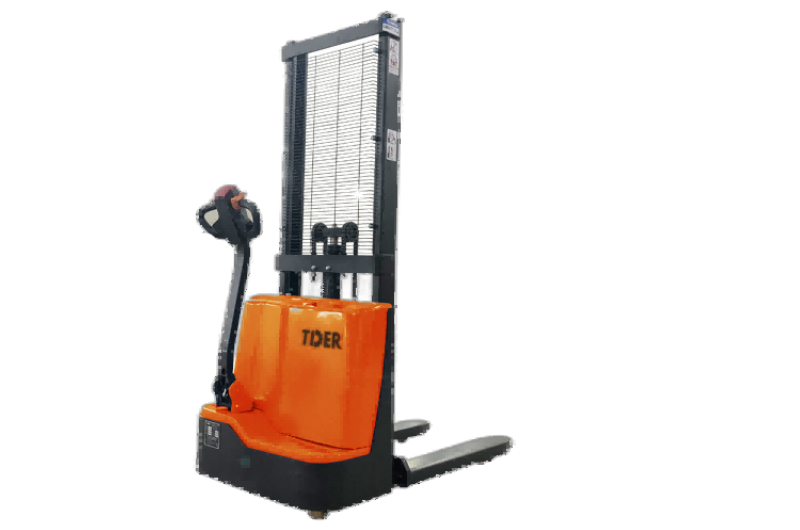
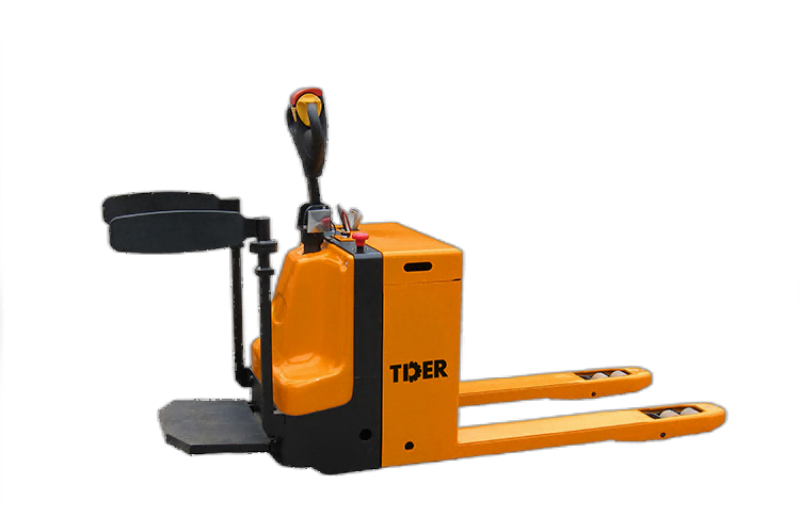
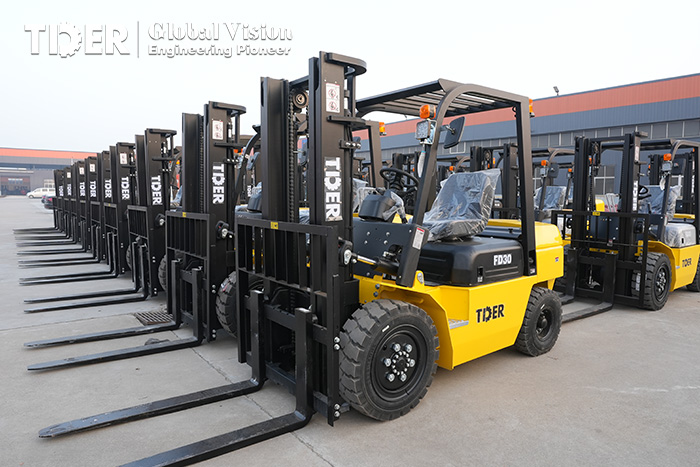
A diesel forklift is widely used for outdoor and heavy-duty applications because of its strong power and quick refueling. In contrast, an electric forklift, especially a lithium forklift or modern battery forklift, is becoming increasingly popular in warehouses, factories and logistics centers due to lower energy consumption, reduced maintenance needs and zero local emissions.
For buyers, the real cost of a forklift is not limited to the purchase price. A more accurate evaluation should focus on the total cost of ownership, including energy cost, maintenance cost, downtime, working environment, operator comfort and compliance requirements.
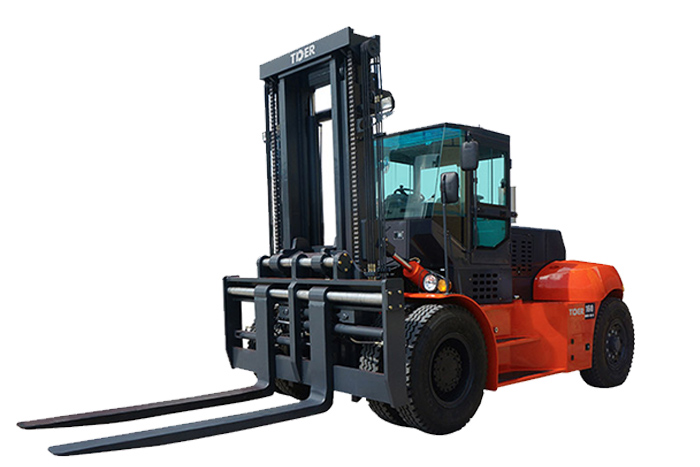
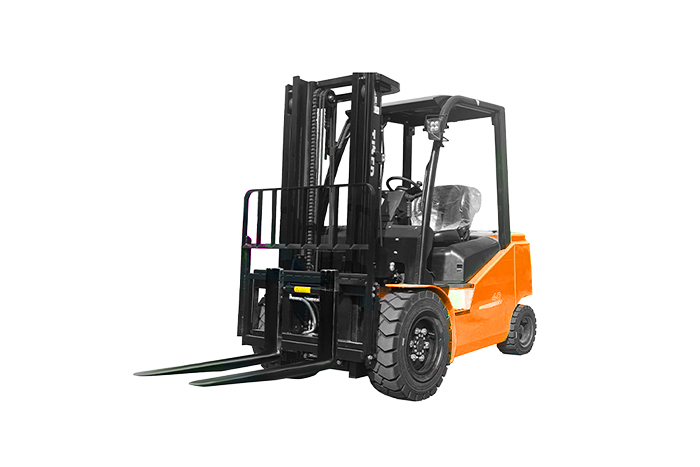
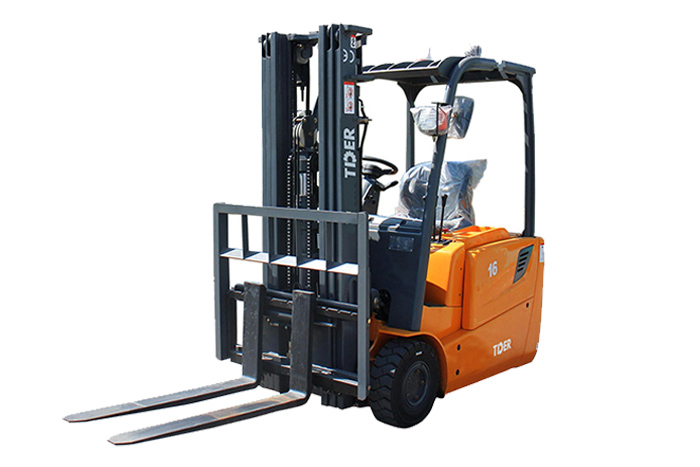
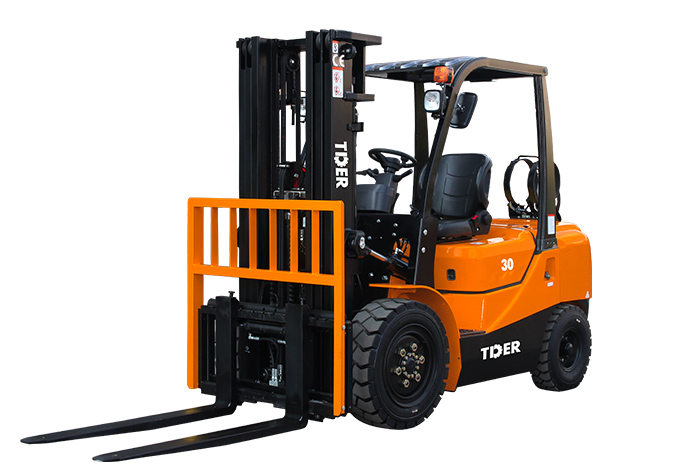
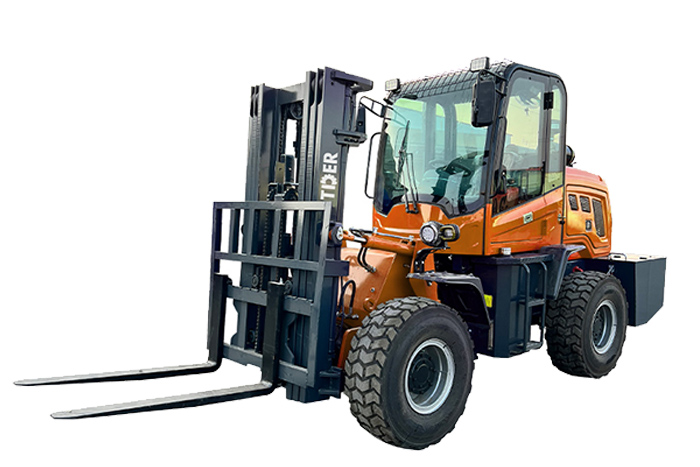
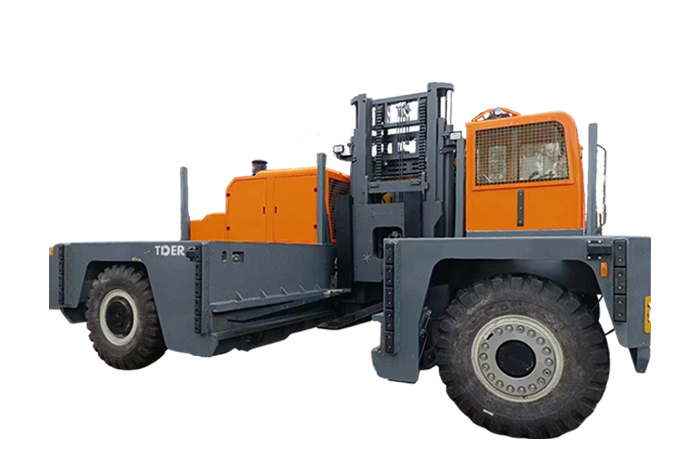
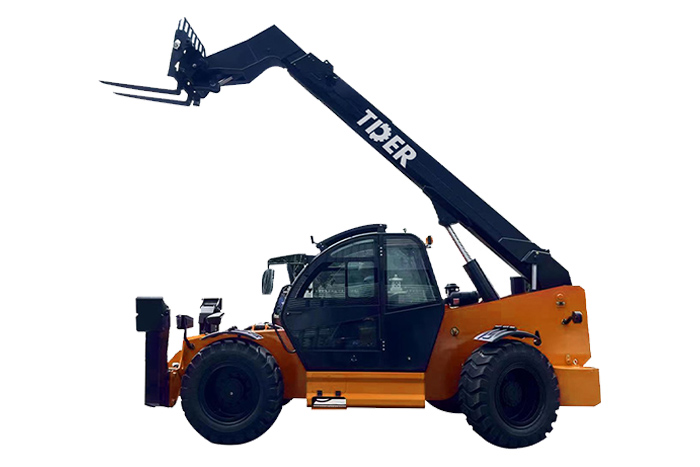
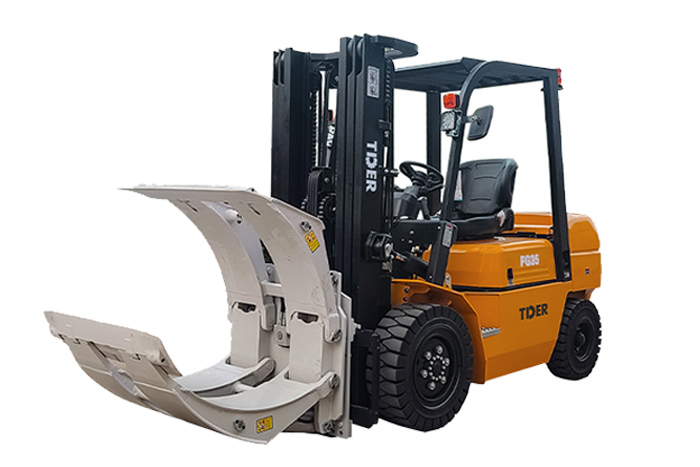
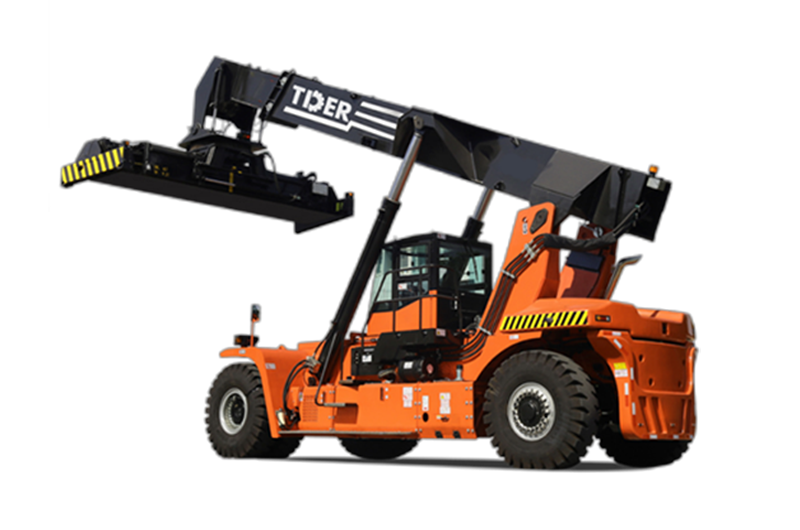
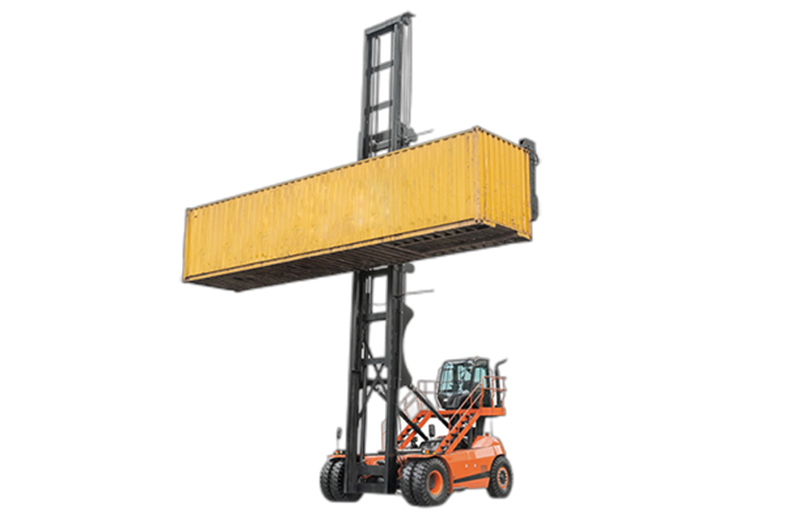
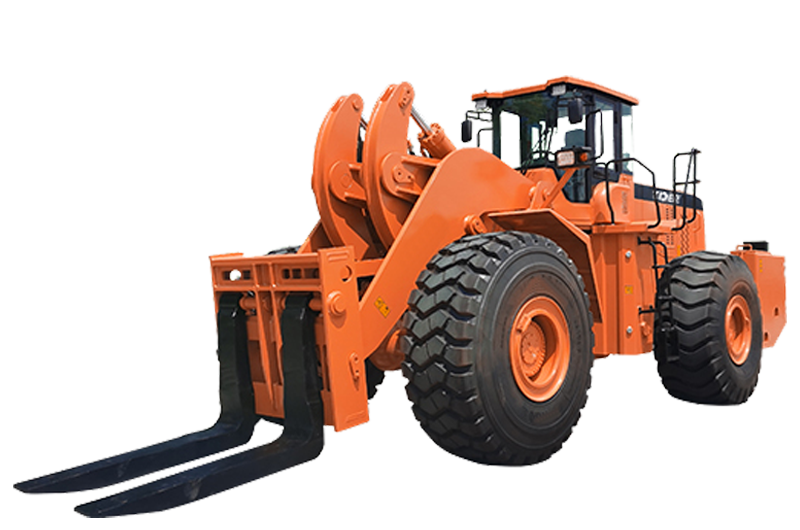
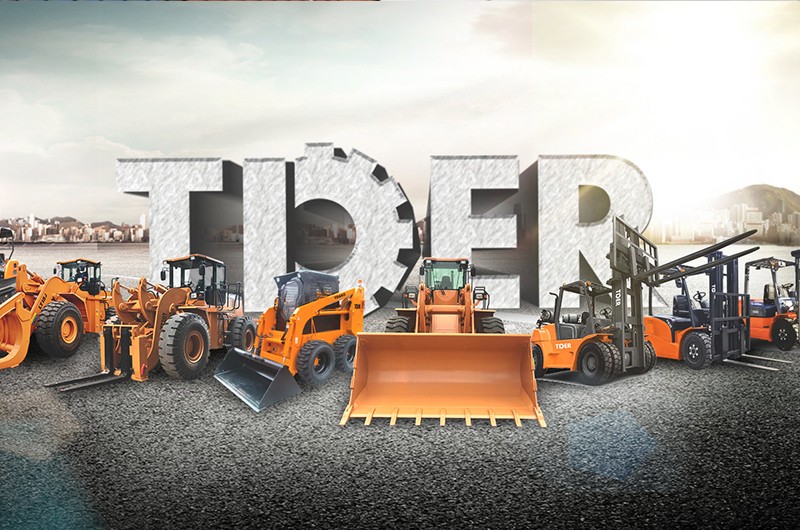
As a global manufacturer of material handling equipment and construction machinery, TDER provides diesel forklifts, electric forklifts, lithium forklift solutions, battery forklift models, rough terrain forklifts and customized handling equipment for customers in warehousing, manufacturing, logistics, construction, mining and infrastructure projects.
1. Initial Purchase Cost: Diesel Forklifts May Have a Lower Entry Price
From the perspective of initial purchase cost, a diesel forklift often has a lower entry price than an electric forklift of similar capacity. For customers with limited budgets, short-term projects or mainly outdoor operations, diesel forklifts remain a practical choice.
Diesel forklift are commonly used in:
· Outdoor loading and unloading
· Construction material yards
· Ports and freight yards
· Construction sites
· Timber yards and stone yards
· Rough or uneven ground conditions
· Heavy-duty continuous operations
However, purchase price alone does not show the full cost of ownership. A forklift electric model, especially a lithium forklift, may require a higher initial investment, but it can help reduce energy and maintenance costs over time.
For companies that operate forklifts every day, long-term expenses such as fuel, electricity, maintenance, downtime and environmental compliance may have a greater impact on profitability than the initial purchase price.
2. Energy Cost: Forklift Electric Solutions Offer Better Long-Term Stability
Diesel forklifts rely on fuel, and fuel prices are often affected by global energy markets. According to the U.S. Energy Information Administration,EIA, diesel prices are influenced by crude oil prices, refining costs, distribution and marketing costs, taxes and regional supply-demand conditions. This means that companies using diesel-powered equipment may face greater uncertainty in daily operating expenses.
The International Energy Agency,IEA has also noted in its energy market analysis that oil markets have experienced repeated volatility in recent years due to geopolitical factors, changes in demand and supply chain adjustments.
Compared with diesel forklifts, a battery forklift or lithium forklift uses electricity instead of diesel. Electricity costs are generally more stable in many markets, especially for warehouses, factories and logistics centers with fixed charging facilities.
For example, in high-frequency applications such as warehouses, food and beverage processing plants, retail distribution centers, manufacturing workshops and e-commerce logistics hubs, forklifts may operate several hours every day. In these conditions, forklift electric solutions can often reduce unit energy costs and help companies better control monthly operating expenses.
3. Maintenance Cost: Battery Forklift Models Have Fewer Mechanical Parts
Diesel forklifts include an internal combustion engine, fuel system, transmission system, cooling system and exhaust system. These systems require regular maintenance, including:
· Engine oil replacement
· Oil filter, fuel filter and air filter replacement
· Engine inspection
· Fuel line inspection
· Cooling system maintenance
· Exhaust and emission system checks
· Repair or replacement of engine-related parts
These maintenance tasks generate parts and labor costs. They may also cause downtime, which directly affects work efficiency.
In contrast, a battery forklift is driven by an electric motor and has a simpler power system. It does not require engine oil, fuel filters or exhaust system maintenance. A lithium forklift can further reduce the maintenance work associated with traditional lead-acid batteries, such as water refilling and frequent battery care.
Therefore, electric forklifts usually provide the following advantages in long-term operation:
· Lower maintenance frequency
· Fewer wearing parts
· Shorter downtime
· Simpler service procedures
· More predictable maintenance costs
· Cleaner and quieter operation
For customers who value equipment uptime, stable operation and lower forklift maintenance cost, a forklift electric option can be more economical in the long run.
4. Working Environment: Lithium Forklift and Battery Forklift Options Are Better for Indoor Use
Diesel forklifts provide strong power and good adaptability, but they produce exhaust emissions and higher noise during operation. In enclosed or semi-enclosed environments, ventilation and air quality must be carefully managed.
The Occupational Safety and Health Administration,OSHA has emphasized that fuel-powered industrial trucks used indoors require proper ventilation and safety management to reduce health risks related to exhaust gases.
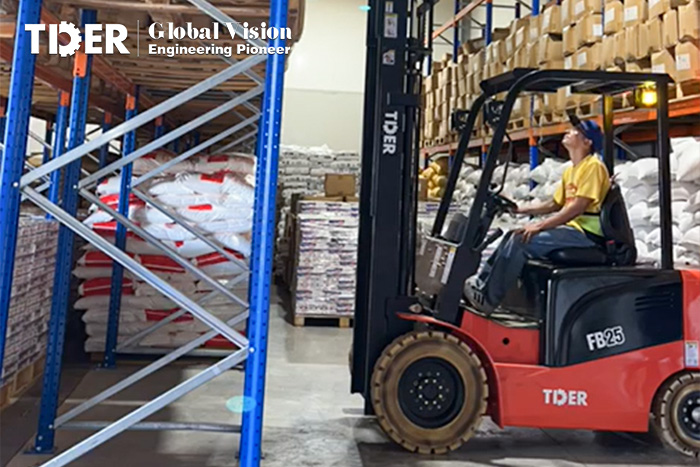
For this reason, a lithium forklift, battery forklift or other electric forklift model is more suitable for:
· Indoor warehouses
· Food processing plants
· Pharmaceutical storage
· Electronics manufacturing workshops
· Cold chain logistics
· Retail distribution centers
· E-commerce warehouses
· Facilities with noise or emission requirements
Electric forklifts generate zero local emissions during operation and produce lower noise, helping improve the working environment, operator comfort and workplace safety.
As more companies focus on sustainability, ESG performance and low-carbon operations, forklift electric solutions are becoming increasingly attractive for modern warehouses and factories.
5. Cost Comparison Example: 3-Ton Forklift in Daily Operation
To better understand the cost difference, we can use a simplified operating example. Actual results may vary depending on local diesel prices, electricity prices, load conditions, ground conditions, operator habits and equipment configuration.
Assume a B Series 3 Tonne Diesel Forklift Truck consumes approximately 2.5–3.5 liters of diesel per hour under medium-load conditions. If it works 6 hours per day and 25 days per month, monthly fuel consumption may reach:
Item | Estimated Value |
Diesel consumption per hour | 2.5–3.5 L |
Working hours per day | 6 hours |
Working days per month | 25 days |
Monthly working hours | 150 hours |
Monthly diesel consumption | 375–525 L |
If local diesel prices rise, the monthly energy cost of a diesel forklift will increase accordingly.
By comparison, a battery forklift or lithium forklift consumes electricity instead of diesel. Its operating cost depends mainly on electricity price, battery capacity, charging efficiency and working intensity. In many indoor high-frequency warehouse applications, electric forklifts can provide lower unit energy costs and more predictable monthly expenses.
This is why more warehouse operators are considering forklift electric models when evaluating long-term forklift operating cost.
Forklift Electric vs Diesel Forklift: Key Cost Comparison
Factor | Forklift Electric / Lithium Forklift / Battery Forklift | Diesel Forklift |
Initial purchase cost | Usually higher | Usually lower |
Energy cost | Lower and more stable in many indoor applications | Strongly affected by diesel prices |
Maintenance cost | Lower, fewer mechanical parts | Higher, more engine-related maintenance |
Indoor suitability | Excellent | Limited by exhaust and ventilation requirements |
Outdoor heavy-duty performance | Suitable for standard outdoor use | Stronger for heavy-duty outdoor work |
Noise level | Lower | Higher |
Emissions | Zero local emissions | Exhaust emissions |
Long-term operating cost | Often lower in high-frequency indoor use | More suitable for low-frequency or heavy outdoor use |
Charging/refueling | Requires charging facilities | Easy refueling where diesel is available |
Best application | Warehouse, factory, logistics, food, pharma, electronics | Construction, ports, stone yards, timber yards, rough outdoor sites |
6. When Should You Choose a Forklift Electric Model?
A forklift electric model is generally a better choice if:
· The forklift is mainly used indoors
· Daily operating frequency is high
· The site has stable charging facilities
· The company wants to reduce maintenance costs
· Noise and emissions are important concerns
· The application involves food, pharmaceuticals, electronics, retail or warehouse logistics
· The company has ESG or environmental targets
· Operators need a cleaner and quieter working environment
For warehouses and manufacturing plants, an electric forklift, especially a lithium forklift or battery forklift, can provide efficient, quiet and clean operation while reducing long-term energy and maintenance expenses.
7. When Should You Choose a Diesel Forklift?
A diesel forklift may be more suitable if:
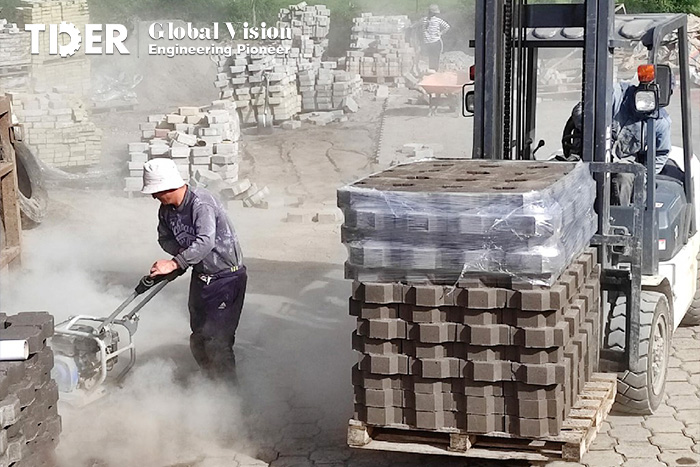
· The forklift is mainly used outdoors
· The working site has rough or uneven ground
· Heavy loads need to be handled frequently
· Charging facilities are not available
· The application involves construction sites, ports, timber yards, stone yards or mining areas
· Strong power and continuous outdoor operation are required
In many developing markets or remote project sites, diesel forklifts remain reliable because of their strong power, convenient refueling and adaptability to demanding environments.
8. How TDER Helps Customers Choose the Right Forklift
Different countries, industries and working conditions require different forklift solutions. Before selecting a forklift, customers should consider:
· Indoor or outdoor operation
· Daily working hours
· Maximum load capacity
· Required lifting height
· Ground conditions
· Availability of charging facilities
· Local diesel and electricity prices
· Emission or noise restrictions
· Required attachments or customized configurations
Based on these factors, TDER can recommend diesel forklifts, forklift electric solutions, lithium forklift models, battery forklift equipment, rough terrain forklifts or customized warehouse handling solutions according to the customer’s real working conditions.
With a complete product range, international export experience and customized manufacturing capabilities, TDER continues to provide global customers with efficient, reliable and cost-effective material handling solutions.
For customers looking for a reliable forklift supplier China, TDER offers professional model selection, technical configuration support, OEM/ODM customization and export service for global markets.
Conclusion
There is no absolute answer to whether an electric forklift or a diesel forklift is better. The right choice depends on working environment, operating frequency, energy cost, maintenance capability and project requirements.
If a company focuses on long-term operating cost, indoor use, low maintenance and environmental performance, a forklift electric model is often the more economical choice. In particular, a lithium forklift or battery forklift can help reduce energy and maintenance expenses in high-frequency warehouse and factory operations.If a company needs strong power, outdoor heavy-duty performance and adaptability to complex job sites, a diesel forklift remains a reliable option.
For global buyers, the most cost-saving forklift is not always the one with the lowest purchase price, but the one that improves efficiency, reduces maintenance, lowers energy consumption and performs reliably in actual working conditions.
TDER recommends that customers evaluate their operating scenarios and cost structure before purchasing. For electric forklift, lithium forklift, battery forklift or diesel forklift model recommendations, technical configuration and quotation support, please contact the TDER team for professional forklift selection advice.
 2003- Xiamen TDER Industrial Co., Ltd. All Rights Reserved.